
Pin down what is nylon 3d printing and learn from Unionfab’s success story to better your own printing.
Introduction
Nylon, or Polyamide (PA) is the go-to material for functional 3D-printed parts, offering strength, flexibility, and unmatched wear resistance.
From automotive components to medical devices, it thrives in demanding environments where plastics like PLA or PETG fall short. But here’s the catch: achieving high-quality nylon parts requires industrial-grade equipment and expertise. So, how do you get flawless nylon parts without buying a printer?
The answer: Professional outsourcing.
Nylon vs. ABS vs. PLA vs. TPU vs. PETG
The table below presents how Nylon outperforms other common 3D printing materials and why Nylon is the only option for parts that need to survive real-world stress, heat, or friction.
|
Property |
Nylon |
ABS |
PLA |
TPU |
PETG |
|---|---|---|---|---|---|
|
Wear Resistance |
⭐⭐⭐⭐⭐ |
⭐⭐ |
⭐ |
⭐⭐⭐ |
⭐⭐ |
|
Heat Resistance |
⭐⭐⭐⭐ |
⭐⭐ |
⭐ |
⭐ |
⭐⭐ |
|
Impact Strength |
⭐⭐⭐⭐ |
⭐⭐⭐ |
⭐ |
⭐⭐ |
⭐⭐ |
|
Chemical Resistance |
⭐⭐⭐⭐ |
⭐⭐ |
⭐ |
⭐⭐ |
⭐⭐ |
|
Structural Strength |
⭐⭐⭐⭐⭐ |
⭐⭐⭐ |
⭐⭐ |
⭐ |
⭐⭐⭐ |
|
Flexibility |
⭐⭐⭐⭐ |
⭐⭐ |
⭐ |
⭐⭐⭐⭐⭐ |
⭐⭐ |
|
Best For |
Functional parts |
Basic prototypes |
Decorative models |
Soft, stretchable parts |
Transparent/outdoor parts |
|
Weakness |
Requires drying, higher cost |
Poor UV/weather resistance |
Low durability, brittle |
Low structural strength |
Poor wear/heat resistance |
Why Nylon Wins?
-
Unbeatable Combo: Only nylon balances strength, flexibility, and heat/chemical resistance.
-
Real-World Edge: Survives harsh conditions (e.g., engine heat, factory friction) where ABS/PLA fail.
-
Design Freedom: Print snap-fit joints, thin walls(>0.8mm), or load-bearing parts without breakage risks.
How to Select the Right Material: Nylon 6 vs. 66 vs. 11 vs. 12 vs. Glass-filled vs. Carbon-filled
The common nylon materials used in 3d printing include pure Nylon materials (Nylon 6, Nylon 66, Nylon 11 & Nylon 12) and composite Nylon materials ( Glass-filled Nylon & Carbon-filled Nylon).
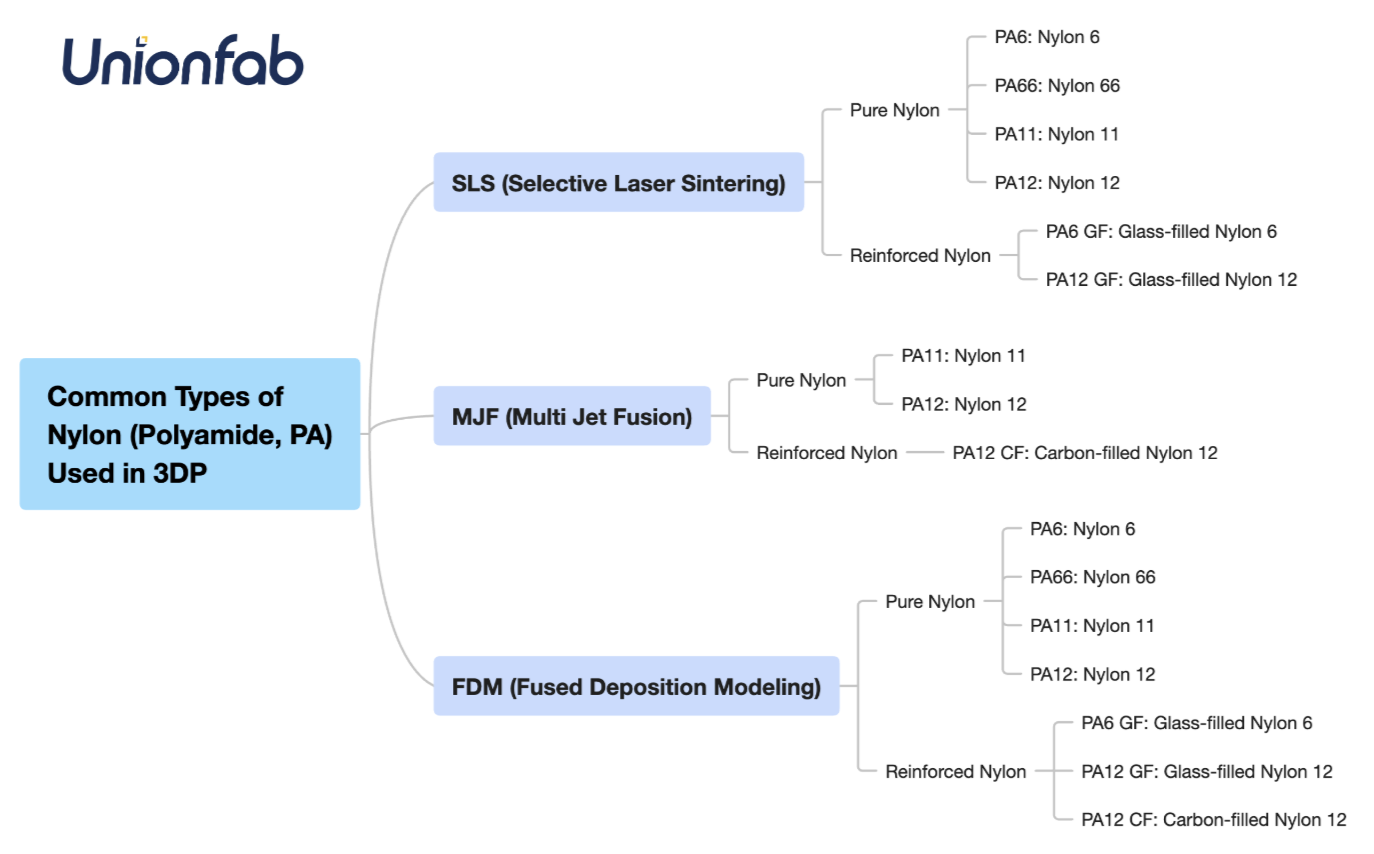
Nylon 6, Nylon 66, Nylon 11 & Nylon 12
Pure Nylon are made from different monomers through different polymerization processes and therefore named after the number of carbon atoms the monomer contains.
For example, Nylon 6, or PA 6, is made from a 6-carbon atom monomer, caprolactam. Their different chemical composition directly impact their properties, applications, and production costs.
Why Add Glass or Carbon to Nylon?
-
Glass fibers or beads are added to nylon to increase its strength, rigidity, and dimensional stability. Glass fibers are inexpensive and provide a good balance between performance and cost.
-
Carbon fibers are added to nylon to improve strength, stiffness, and thermal conductivity. Carbon fibers offer even higher performance than glass fibers, but at a higher cost.
Comparison Table
Here we have compared the 6 common Nylon materials used in 3d printing.
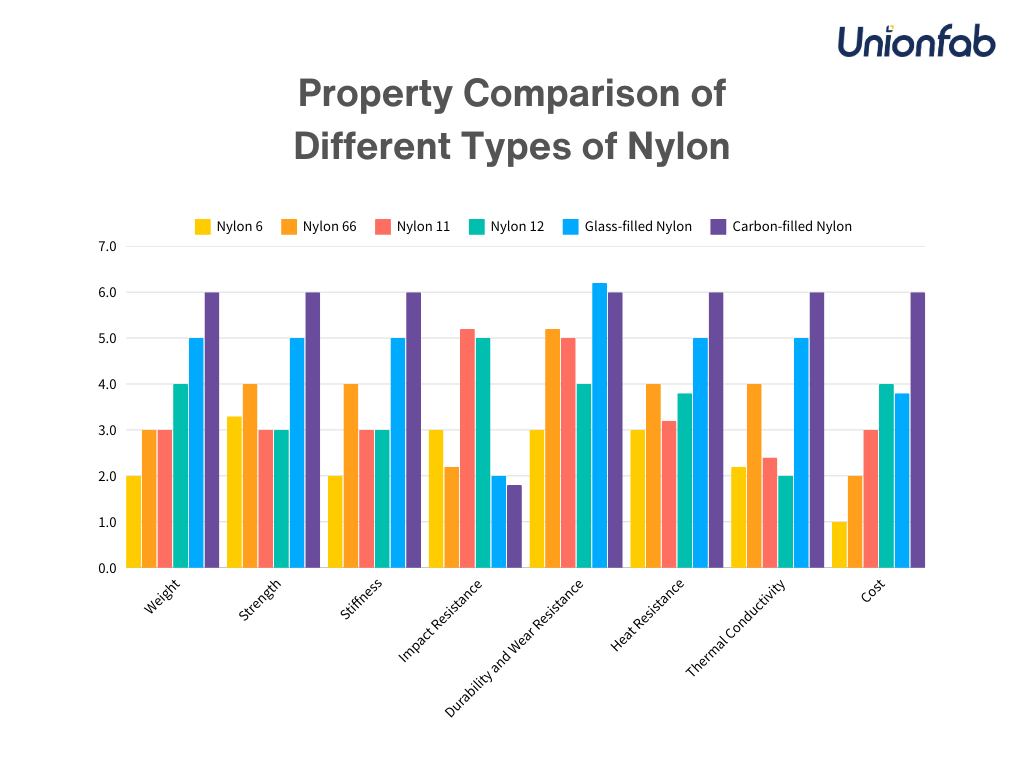
|
Property |
Nylon 6 |
Nylon 66 |
Nylon 11 |
Nylon 12 |
Glass-filled Nylon |
Carbon-filled Nylon |
|---|---|---|---|---|---|---|
|
Weight |
⭐️⭐️ |
⭐️⭐️⭐️ |
⭐️⭐️⭐️ |
⭐️⭐️⭐️⭐️ |
⭐️⭐️⭐️⭐️⭐️ |
⭐️⭐️⭐️⭐️⭐️⭐️ |
|
Strength |
⭐️⭐️⭐️ |
⭐️⭐️⭐️⭐️ |
⭐️⭐️⭐️ |
⭐️⭐️⭐️ |
Significantly higher |
Higher than Glass-filled Nylon (100~180 MPa) |
|
Stiffness |
⭐️⭐️ |
⭐️⭐️⭐️⭐️ |
⭐️⭐️⭐️ |
⭐️⭐️⭐️ |
⭐️⭐️⭐️⭐️⭐️ |
⭐️⭐️⭐️⭐️⭐️⭐️ |
|
Impact |
⭐️⭐️⭐️ |
⭐️⭐️ |
⭐️⭐️⭐️⭐️⭐️ |
⭐️⭐️⭐️⭐️⭐️ |
⭐️⭐️ |
⭐️⭐️ |
|
Durability and Wear Resistance |
⭐️⭐️⭐️ |
⭐️⭐️⭐️⭐️⭐️ |
⭐️⭐️⭐️⭐️⭐️ |
⭐️⭐️⭐️⭐️ |
⭐️⭐️⭐️⭐️⭐️⭐️ |
⭐️⭐️⭐️⭐️⭐️⭐️ |
|
Heat Resistance |
⭐️⭐️⭐️ |
⭐️⭐️⭐️⭐️ |
⭐️⭐️⭐️ |
⭐️⭐️⭐️⭐️ |
⭐️⭐️⭐️⭐️⭐️ |
⭐️⭐️⭐️⭐️⭐️⭐️ |
|
Thermal Conductivity |
⭐️⭐️ |
⭐️⭐️⭐️⭐️ |
⭐️⭐️ |
⭐️⭐️ |
⭐️⭐️⭐️⭐️⭐️ |
⭐️⭐️⭐️⭐️⭐️⭐️ |
|
Cost |
$ |
$$ |
$$$ |
$$$$ |
$$$$ |
$$$$$$ |
|
Applications |
Automotive: Engine components &interior parts |
Automotive: Engine covers, gears |
Automotive: Pneumatic tubing, flexible pipes |
Automotive: |
Automotive: Engine parts, transmission housings |
Aerospace: Structural components for aircraft, heat shields |

How to Choose the Right Technology: SLS vs. MJF vs. FDM
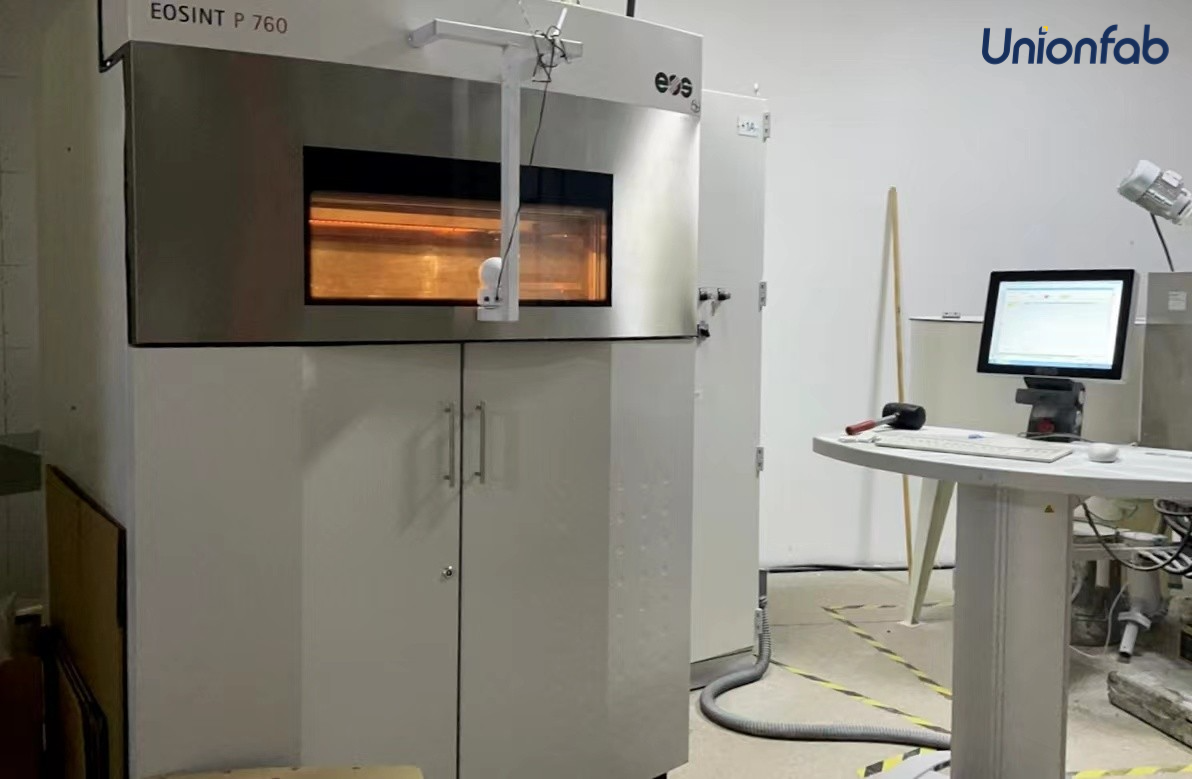
SLS(Selective Laser Sintering)
-
How it works: A laser selectively melts powdered material (plastic or metal) layer by layer.
-
Result: The material hardens as it cools, building up the object.
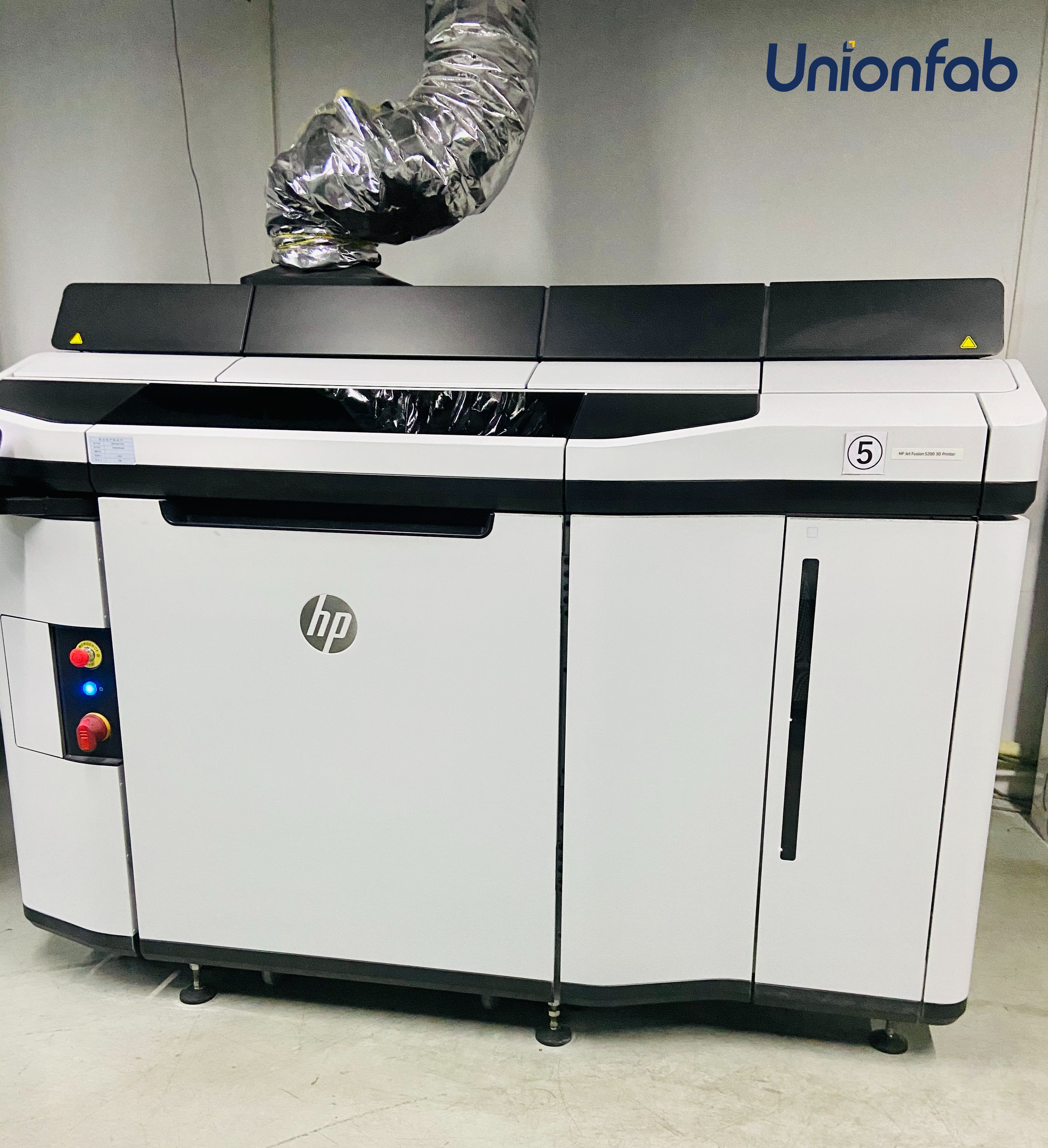
MJF(Multi Jet Fusion)
-
How it works: Inkjet print heads spray a binding agent onto powdered material. Then, infrared light fuses the material together.
-
Result: Creates strong, detailed parts quickly.
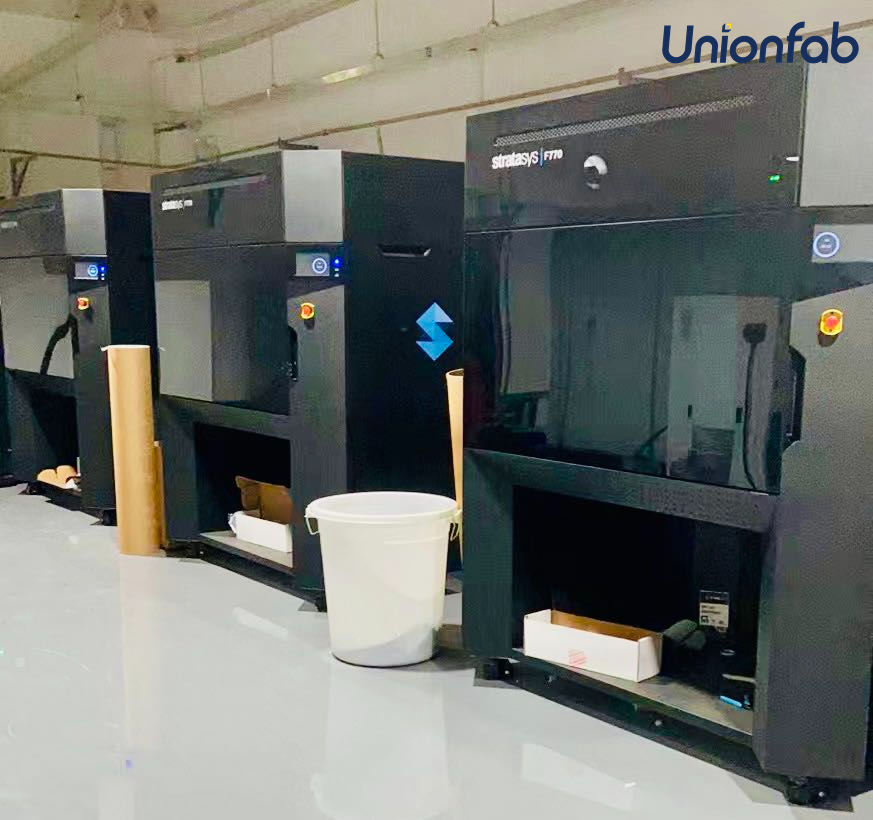
FDM(Fused Deposition Modeling)
-
How it works: Plastic filament is heated and extruded layer by layer to form the object.
-
Result: The material cools and solidifies as each layer is added.
Comparison Table
|
Aspect |
SLS |
MJF |
FDM |
|---|---|---|---|
|
Materials |
Nylon 6, 66, 11, 12 |
MJF Nylon 12 Glass Bead |
PLA |
|
Cost |
$$$ |
$$ |
$ |
|
Surface Finish |
⭐⭐⭐⭐ |
⭐⭐⭐⭐⭐ |
⭐⭐ |
|
Dimensional Accuracy |
⭐⭐⭐⭐ |
⭐⭐⭐⭐⭐ |
⭐⭐ |
|
Post-Processing |
Requires cleaning and sometimes support removal |
Minimal, often no post-processing required |
Requires sanding, smoothing, or painting |
|
Speed |
⭐⭐ |
⭐⭐⭐⭐⭐ |
⭐⭐ |
|
Applications |
Functional prototypes, aerospace, automotive |
Functional parts, quick production runs, consumer goods |
Prototyping, small runs, budget-friendly projects |
In summary:
-
If you’re working on high-performance, complex prototypes, go with SLS.
-
If you need fast, high-quality production with an emphasis on precision, MJF is the way to go.
-
For budget-conscious projects, FDM is a great choice, especially when you don’t need the top-tier performance of the other two technologies.
Cost-saving Design Tips
-
Hollow Designs with Structural Integrity
Remove internal material (walls ≥2mm thick) to reduce material usage while ensuring durability.
-
Scale Down & Simplify Geometry
Adjust non-critical dimensions and avoid unnecessary details to lower material volume and print time.
-
Optimize Infill & Orientation