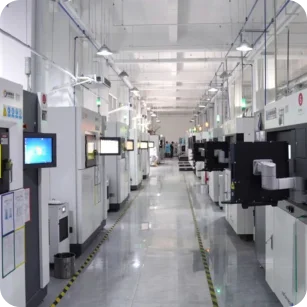

Robotics-Small Volume Production

Gain unprecedented speed and design freedom with our precision 3D
printing and CNC solutions for Robotics prototyping and production.

Game Changer-3D Printing For Robotics Manufacturing

Rapid_Prototyping

Rapid Innovation

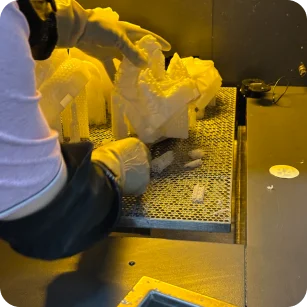
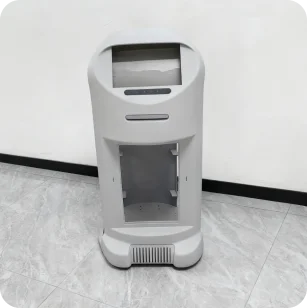
Additive manufacturing enables engineers to turn digital designs into physical parts within days, accelerating R&D, reducing costs, and driving innovation.

Rapid_Prototyping

Rapid Innovation

Additive manufacturing enables engineers to turn digital designs into physical parts within days, accelerating R&D, reducing costs, and driving innovation.

Rapid_Prototyping

Rapid Innovation

Additive manufacturing enables engineers to turn digital designs into physical parts within days, accelerating R&D, reducing costs, and driving innovation.

Rapid_Prototyping

Rapid Innovation

Additive manufacturing enables engineers to turn digital designs into physical parts within days, accelerating R&D, reducing costs, and driving innovation.

The Future of Robotics Manufacturing

3D printing is reshaping robotics by accelerating innovation, enabling customization, optimizing performance, and strengthening supply chains.

With advances in materials, AI, and generative design, additive manufacturing is evolving into a mainstream solution for lighter, smarter, and more cost-efficient robots.

Solutions for Robotics Small Volume Production

3D Printing Applications in Robotics

topCompanies_5
Customers served
0 +
Customers served
0 +

Trusted by Robotics Engineers and Designers

Humanoid Robotics 3D Printing Solutions | Unionfab

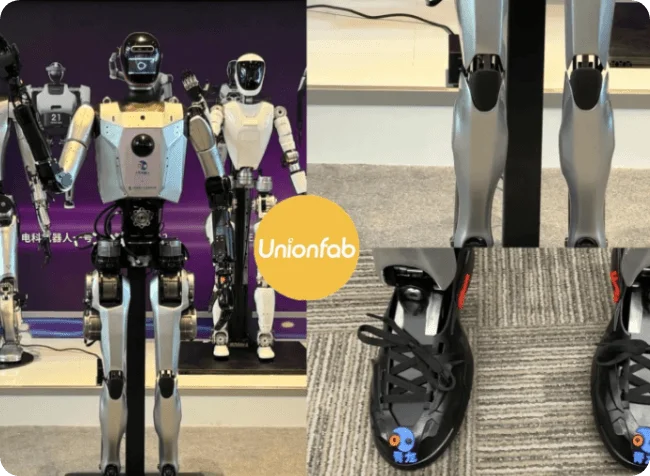
At WAIC 2024, Humanoid Robots (Shanghai) leveraged Unionfab’s SLS 3D printing solution to rapidly manufacture key components of their humanoid robots. By combining high-strength nylon with TPU, the components achieved an optimal balance of lightweight design, durability, aesthetics, and performance, showcasing the significant advantages of 3D printing in rapid delivery, design freedom, and sustainable manufacturing.

The Main Advantages of 3D Printing in the Robotics Industry

Industry Standards and Compliance

Our small-batch 3D printing service for robotic components is not only focused on efficiency and innovation but also strictly adheres to international standards such as ISO, CE, and RoHS to ensure safety and compliance. All materials meet REACH and FDA requirements, making them suitable for industrial, service, and medical robotics applications.
 

Overview of Common Manufacturing Processes

Metal 3D Printing Service

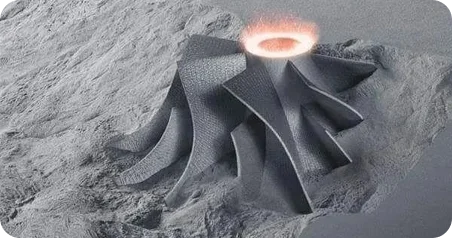
Selective Laser Melting (SLM): High-performance metal 3D printing produces strong, precise, and complex parts, ideal for lightweight and customized components, though it is costly and requires complex post-processing. Common Materials: Stainless Steel (316L, 17-4PH), Aluminum Alloy (6061, AlSi10Mg), Inconel 625, Titanium Alloy (Ti6Al4V) etc. Specific Applications: Precision sensor housings, gears, and small gripper components

Metal 3D Printing Service

Selective Laser Melting (SLM): High-performance metal 3D printing produces strong, precise, and complex parts, ideal for lightweight and customized components, though it is costly and requires complex post-processing. Common Materials: Stainless Steel (316L, 17-4PH), Aluminum Alloy (6061, AlSi10Mg), Inconel 625, Titanium Alloy (Ti6Al4V) etc. Specific Applications: Precision sensor housings, gears, and small gripper components

Metal 3D Printing Service

Selective Laser Melting (SLM): High-performance metal 3D printing produces strong, precise, and complex parts, ideal for lightweight and customized components, though it is costly and requires complex post-processing. Common Materials: Stainless Steel (316L, 17-4PH), Aluminum Alloy (6061, AlSi10Mg), Inconel 625, Titanium Alloy (Ti6Al4V) etc. Specific Applications: Precision sensor housings, gears, and small gripper components

Metal 3D Printing Service

Selective Laser Melting (SLM): High-performance metal 3D printing produces strong, precise, and complex parts, ideal for lightweight and customized components, though it is costly and requires complex post-processing. Common Materials: Stainless Steel (316L, 17-4PH), Aluminum Alloy (6061, AlSi10Mg), Inconel 625, Titanium Alloy (Ti6Al4V) etc. Specific Applications: Precision sensor housings, gears, and small gripper components

Metal 3D Printing Service

Selective Laser Melting (SLM): High-performance metal 3D printing produces strong, precise, and complex parts, ideal for lightweight and customized components, though it is costly and requires complex post-processing. Common Materials: Stainless Steel (316L, 17-4PH), Aluminum Alloy (6061, AlSi10Mg), Inconel 625, Titanium Alloy (Ti6Al4V) etc. Specific Applications: Precision sensor housings, gears, and small gripper components

Key Success Factors

Design Optimization

We provide component design optimization services, including topology optimization, lightweight design, and manufacturability analysis, to achieve the optimal balance between performance and cost.

Design Optimization

We provide component design optimization services, including topology optimization, lightweight design, and manufacturability analysis, to achieve the optimal balance between performance and cost.

Design Optimization

We provide component design optimization services, including topology optimization, lightweight design, and manufacturability analysis, to achieve the optimal balance between performance and cost.

Design Optimization

We provide component design optimization services, including topology optimization, lightweight design, and manufacturability analysis, to achieve the optimal balance between performance and cost.

Design Optimization

We provide component design optimization services, including topology optimization, lightweight design, and manufacturability analysis, to achieve the optimal balance between performance and cost.

Key Success Factors

Far far away, behind the word mountains, far from the countries Vokalia and Consonantia, there live the blind texts. Separated they live in Bookmarksgrove right at the coast

Scroll to Top