
What is PLA? Explore this popular 3D printing material with this comprehensive guide.
Introduction: What is PLA?

Source: wikipedia.org
PLA (Polylactic Acid) is a popular thermoplastic used in 3D printing and packaging.
Made from renewable resources like cornstarch or sugarcane, PLA is biodegradable and compostable, offering an eco-friendly alternative to petroleum-based plastics.
What is PLA Plastic?
PLA plastic, or polylactic acid plastic, is a biodegradable and compostable thermoplastic made from renewable plant sources like corn starch or sugarcane.
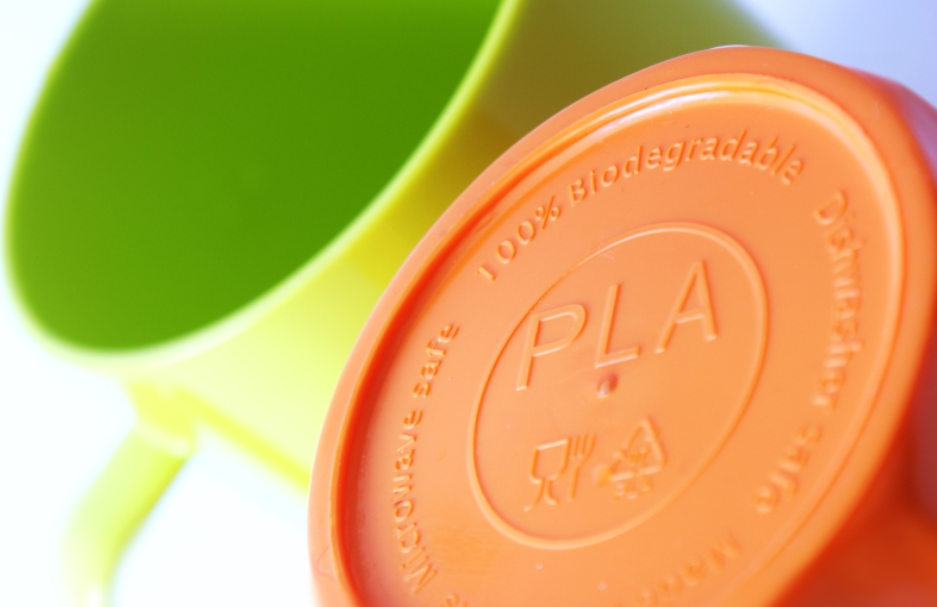
Source: nexanteca.com
Key Features and Benefits
-
Produced from plant-derived resources instead of petroleum
-
Strong yet flexible material suited for 3D printing and packaging
-
Safe for food-contact applications
-
Can break down in compost within 3-6 months
Eco-friendly Properties
PLA is an eco-friendly alternative to traditional plastics because:
-
It is 100% biodegradable – breaks down into carbon dioxide and water in compost
-
Reduces plastic waste that ends up polluting oceans and landfills
-
Lowers greenhouse gas emissions compared to petrol-based plastics
-
Made from renewable resources rather than finite fossil fuels
The biodegradable and compostable qualities of PLA plastic make it a more sustainable choice that is better for the environment.
3D Printing PLA
PLA is a popular 3D printing material because it prints smoothly and reliably without releasing toxic fumes.
It’s strong enough for many prototyping projects and easy to work with, as the prints are less brittle compared to other materials, making design modifications simpler.
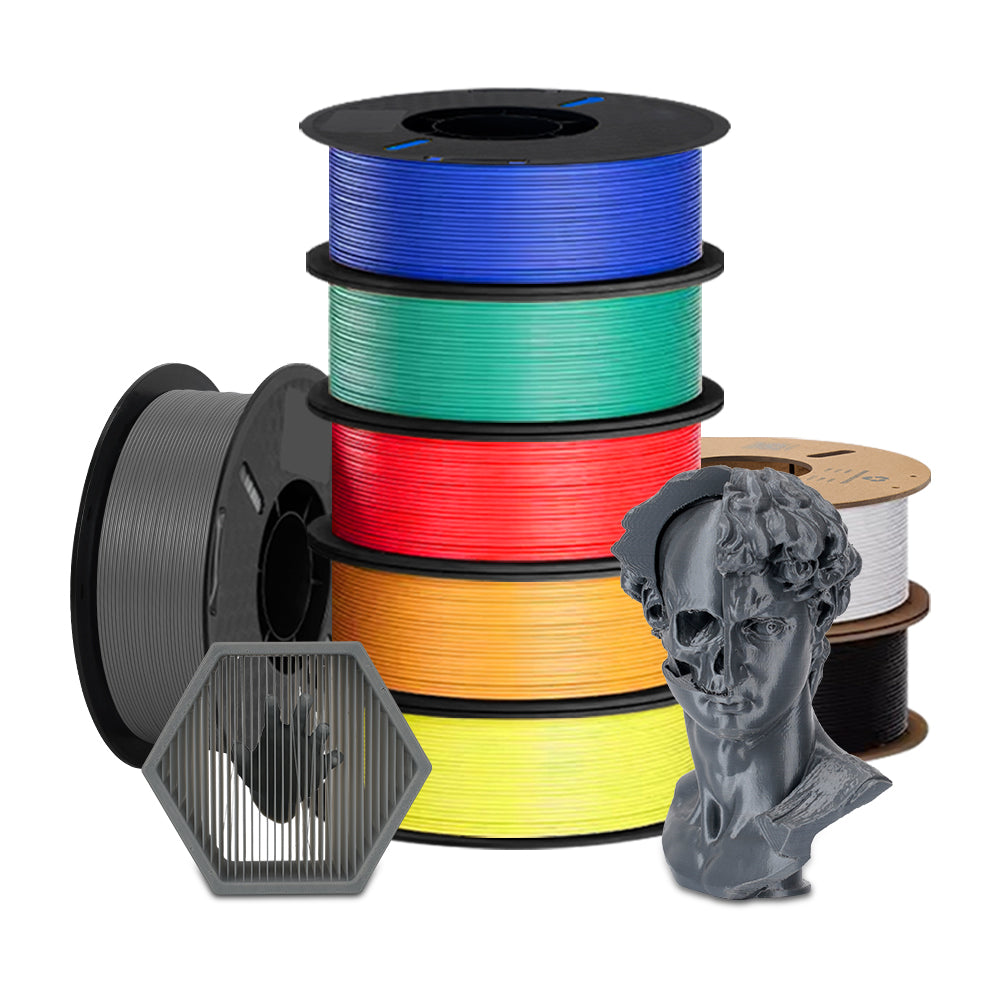
What is PLA Filament?
PLA filament is a type of 3D printer material designed for FDM/FDM 3D printing. It’s made from polylactic acid (PLA) plastic and comes in a thin, flexible form for easy use.
Source: kingroon.com
Comparison to Other Filaments
PLA vs. ABS Filament
-
Made from acrylonitrile butadiene styrene rather than plant-based PLA
-
Known for its tough, impact-resistant properties
-
Requires an enclosure and higher print temps than PLA
PLA vs. PETG Filament
-
Copolyester thermoplastic similar to polyester fabrics
-
More flexible and durable than PLA but not as stiff
-
Easier to print than ABS without an enclosure
PLA vs. PLA Filament
-
Plant-derived material that is biodegradable
-
Easy to print, compatible with most printers
-
Lowest temperature requirements at 185-230°C
-
Prints come out looking smooth and clean
PLA filament provides a straightforward, low-cost entry point for reliable 3D prints. It requires fewer specialized conditions than ABS or PETG to produce high quality results.
What is PLA Made Of?
PLA plastic is primarily made from plants like corn or sugarcane. Scientists break down the corn or sugarcane into simple sugars. They then turn the sugars into lactic acid and combine the lactic acid to make PLA.
Biodegradability
PLA is special because it can break down and decompose naturally. Bacteria and fungi in the environment can eat the PLA and turn it back into water, carbon dioxide and compost over a few months. This means PLA garbage will disappear without polluting the earth.
Environmental Impact
Making PLA is better for the environment than other plastics because it uses plants like corn instead of oil. This reduces pollution. And when we’re done with PLA products, they won’t hurt the planet like other plastics do.
Advantages and Disadvantages of PLA
Advantages of PLA
-
Sustainable – Made from renewable plant-based resources instead of fossil fuels
-
Biodegradable – Breaks down naturally without polluting the environment
-
Low printing temperature – Only needs 180-220°C to print, less than ABS
-
Minimal smells – Doesn’t produce toxic fumes like some other plastics
-
Low cost – One of the most affordable filament materials for 3D printing
-
Wide availability – PLA filament is easy to find from most suppliers
Disadvantages of PLA
-
Lower heat resistance – Softens above 60°C so not suitable for high heat applications
-
More brittle than other plastics – Can become more fragile over time if exposed to sunlight
-
Slow biodegradation – Requires commercial composting facilities, takes 3-6 months to break down
-
Less durable – More prone to UV and moisture degradation compared to ABS or nylon
-
Can warp during printing – Build platform must be leveled properly to prevent warping
While PLA has some weaknesses in heat and impact resistance, its eco-friendly qualities make it a good basic filament choice for many general 3D printing applications and prototyping.
Applications of PLA Filament
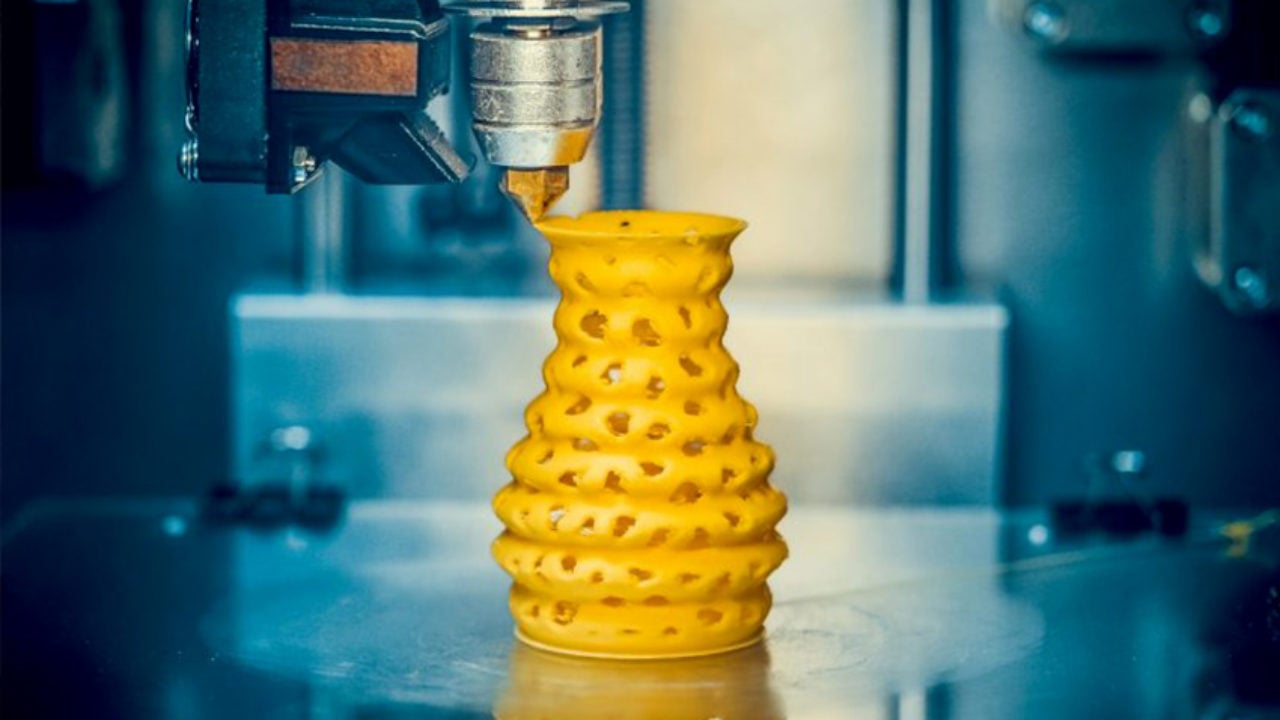
3D Printing Applications
Source: 3dnatives.com
-
Prototyping parts – Sturdy enough for design testing and mockups.
-
Models and figurines – Smooth finishes make PLA suitable for detailed miniatures.
-
Jigs and fixtures – Can be used to print templates and guides for workshops.
-
Educational tools – Inexpensive to print parts for teaching hands-on skills.
Beyond 3D Printing
-
PLA cups, plates, utensils – Compostable alternatives to single-use plastics.
-
Packaging for food/goods – Degradable packaging protects products and environments.
-
Bio-medical devices – Can break down safely if implanted for temporary devices.
-
Textiles – PLA fiber can be used similarly to rayon or modal fabrics.
-
PLA pellets – Used to injection mold durable durable durable products like phones cases.
Conclusion
In summary, PLA is a versatile, sustainable material widely used in 3D printing, packaging, and more. Its key advantages include easy printing, low emissions, biodegradability, and affordability.
As sustainability becomes more important in product development, PLA is set to play a bigger role in the future.
Start Printing with PLA Today with Unionfab
Looking for premium-quality filament for your next project? Unionfab offers top-tier FDM solutions to meet your 3D printing needs.
Ready to get started? Get an instant quote or contact us today to see how we can help bring your ideas to life!