
Master 3D printed RC cars: DIY guides, filament choices, print vs. buy lists, and professional manufacturing solutions. And partner with Unionfab to manufacture your 3D printed RC cars with high-impact durability and race-ready precision.
TL;DR: Ready to build your RC cars? Review “Print vs. Buy Checklist” first, then jump to “Path 1” for DIY printing or “Path 2” for professional services.
Introduction
The high-pitched whine of an electric motor, the spray of dirt from the tires, and the thrill of a perfect jump make RC (Radio Control) car culture hard to resist. In the past, hobbyists were often limited by what manufacturers offered, and getting a replacement part or a custom design could take weeks.
3D printing has opened new possibilities. It allows you to produce parts on demand and experiment with custom designs:
-
Hobbyists can print a replacement suspension arm in an afternoon.
-
Startup brands can produce 50–500 custom chassis kits to test the market without investing heavily in molds.
-
RC aftermarket parts sellers can quickly launch small-batch products focused on upgrades, replacement components, or custom kits to meet enthusiast demand.
-
Pro racing teams or RC clubs can manufacture durable, high-performance components suitable for repeated use.
Are you printing at home or using professional services?
Choose the path that fits you below: Path 1, the DIY route for home printing, or Path 2, the professional route for industrial-grade and batch production.
What Is an RC Car?
An RC car (Radio Control car) is a model vehicle operated wirelessly using a handheld radio transmitter. Signals from the transmitter are received by onboard electronics, which control steering and throttle in real time.
In practice, RC cars range from simple, self-contained toys to modular hobby-grade machines built for long-term use.
Unlike toy-grade models, hobby-grade RC cars have standardized, replaceable, and upgradeable components. This modular design makes repairs, upgrades, and customization possible, which are the aspects we will explore throughout this guide.
Types of RC Cars
RC cars are generally classified by the terrain they handle. On-road cars prioritize speed and grip on smooth surfaces, while off-road models focus on suspension travel and durability for rough terrain.
|
Type |
Typical Example |
Terrain |
Key Characteristics |
|---|---|---|---|
|
Touring Cars |
 source:traxxas.com |
On-Road |
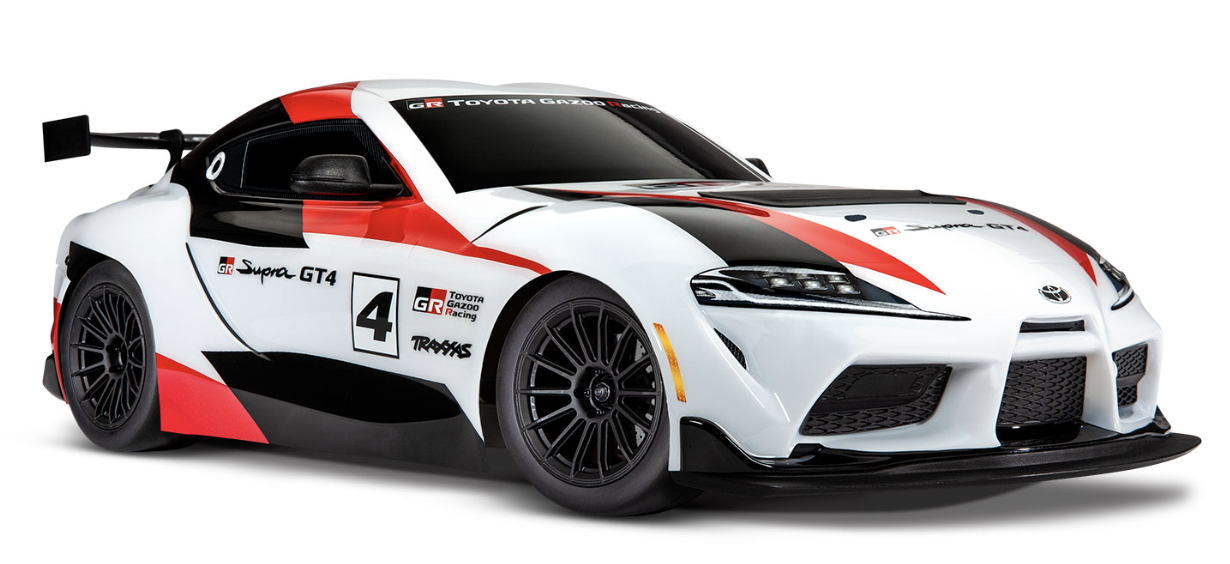
Circuit Racing Standard. 4-wheel drive (4WD) sedans tuned for maximum grip. They offer the perfect balance of acceleration and cornering stability on asphalt or carpet tracks. |
|
Drift Cars |
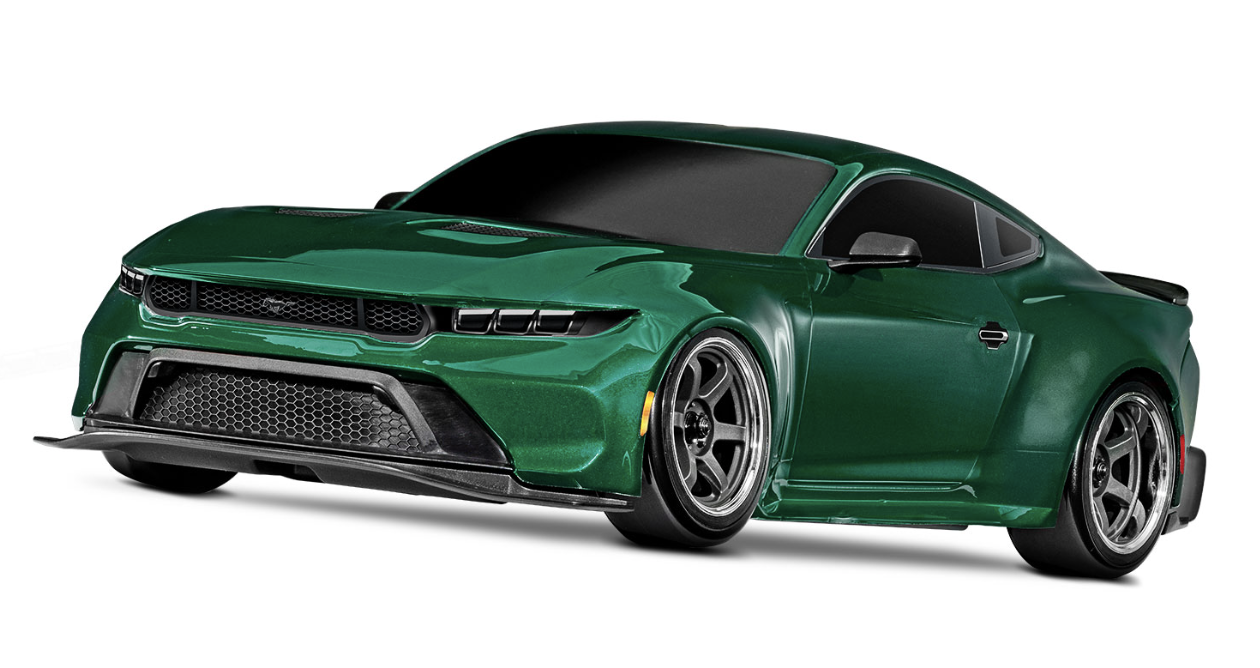 source:traxxas.com |
On-Road |
Style Over Speed. Visually similar to touring cars but equipped with hard plastic tires to intentionally lose traction. Engineered for controlled sliding angles rather than lap times. |
|
Formula 1 (F1) |
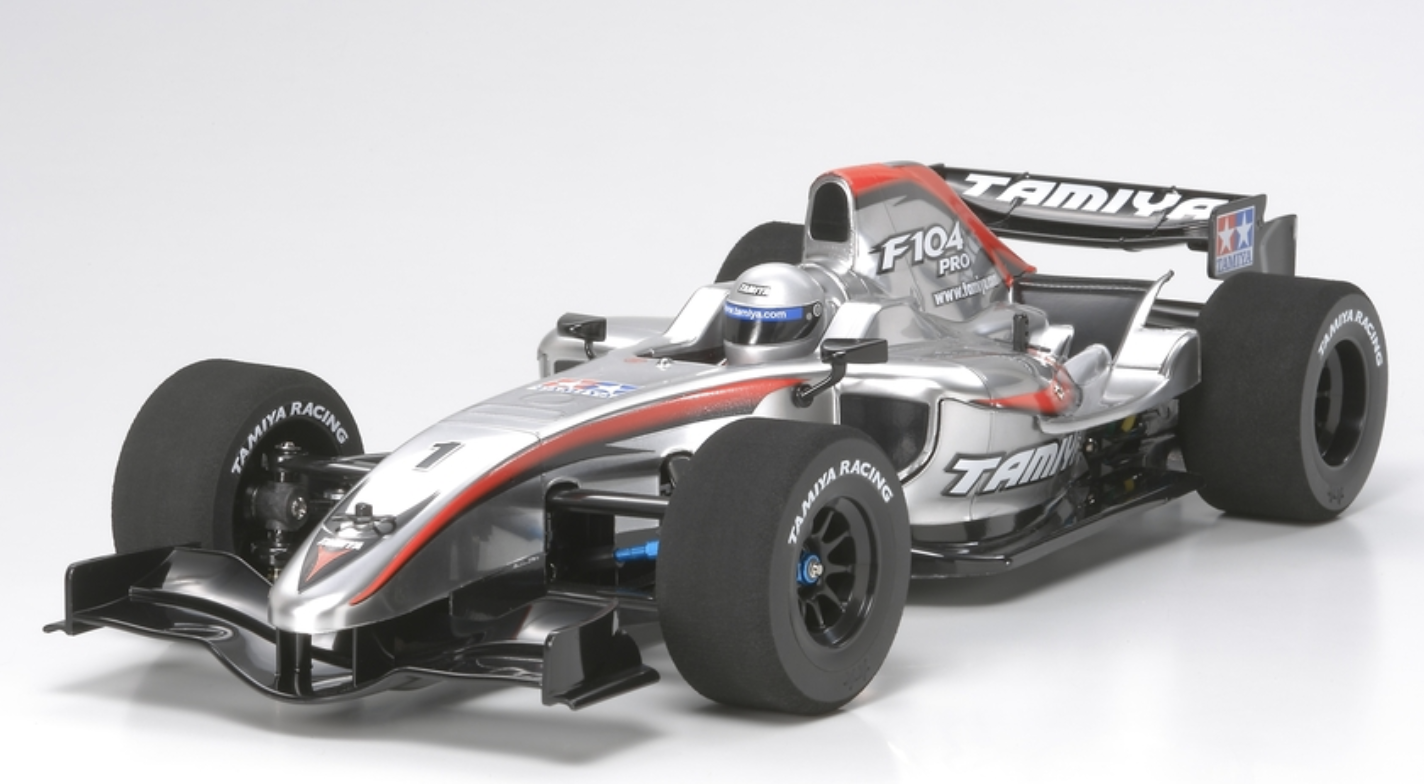 source: tamiyausa.com |
On-Road |
Scale Precision. Rear-wheel-drive (RWD) replicas of Grand Prix cars. They rely on aerodynamic downforce for stability and require very smooth surfaces to operate. |
|
Buggies |
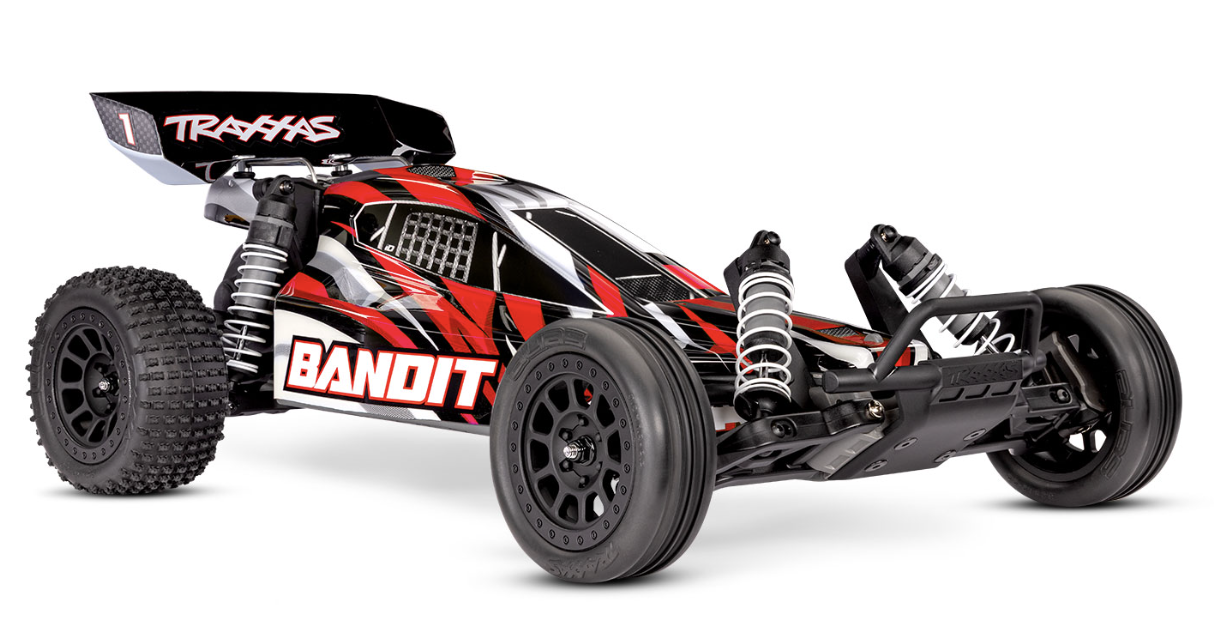 source:traxxas.com |
Off-Road |
Agile Track Racers. Lightweight with open wheels. They are the fastest off-road vehicles on dirt, though their exposed suspension arms make them less durable in crashes. |
|
Monster Trucks |
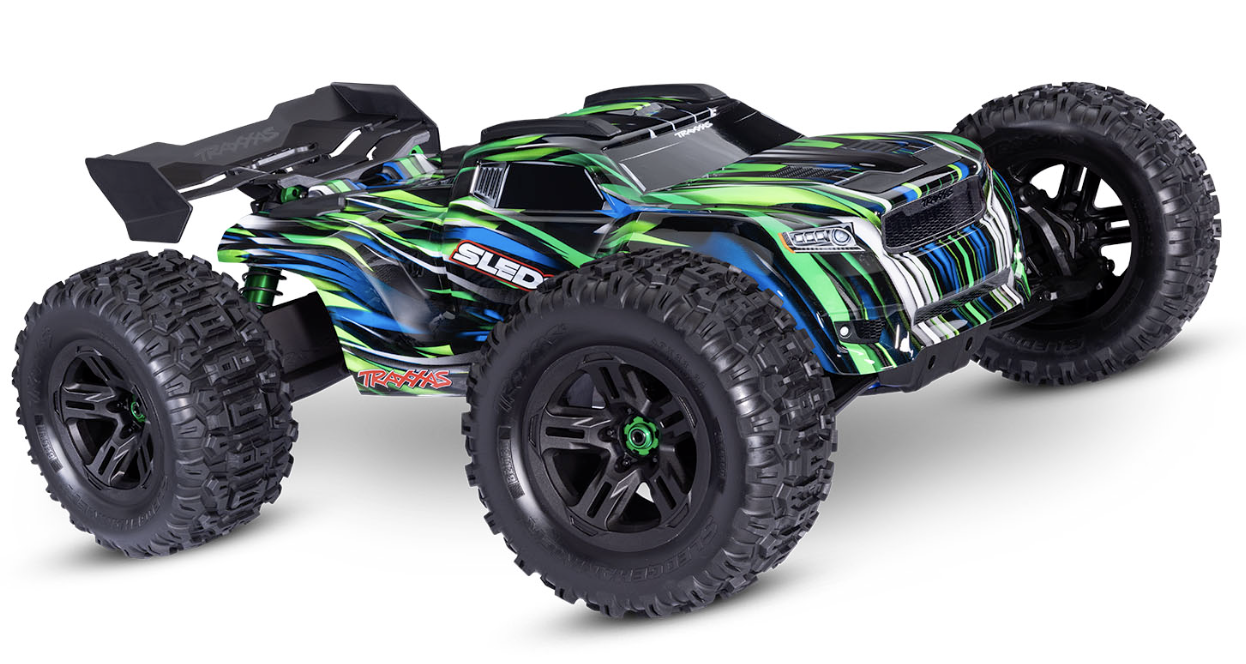 source:traxxas.com |
Off-Road |
The “Bashers.” Featuring massive tires and huge suspension travel. Built for extreme durability, they are designed to crush obstacles and survive high jumps. |
|
Stadium Trucks |
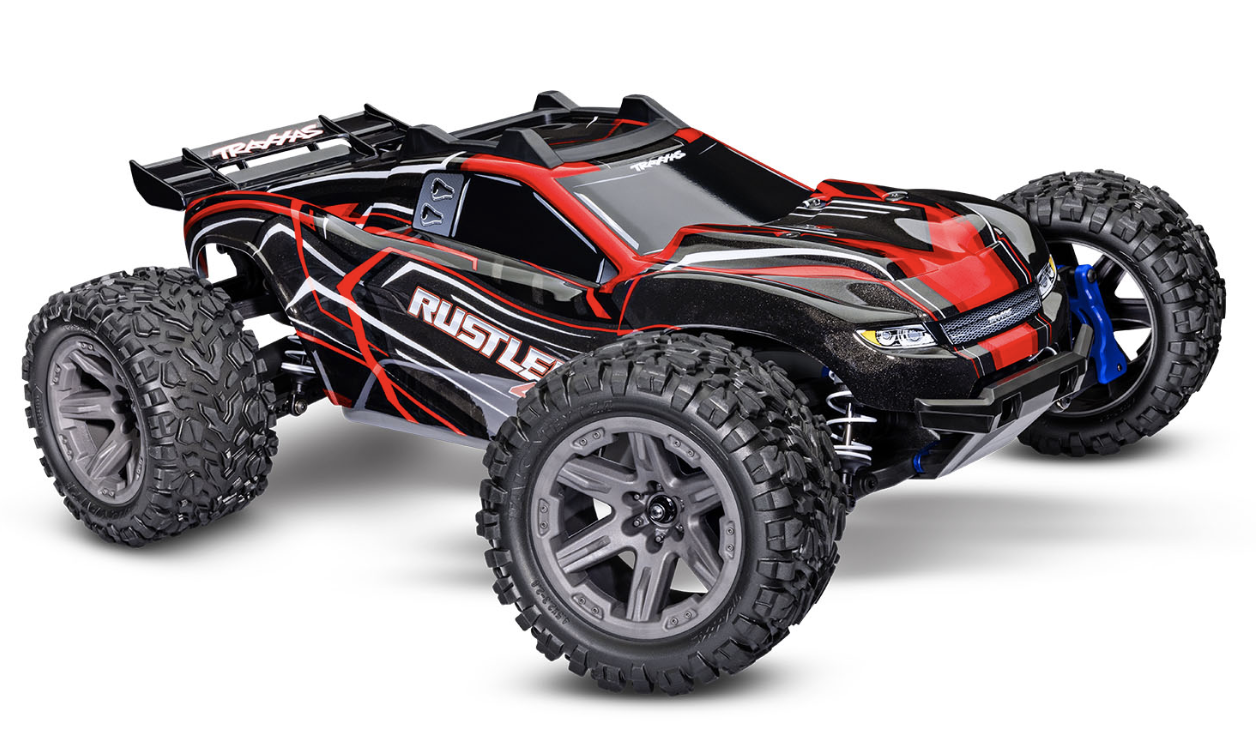 source: traxxas.com |
Off-Road |
Hybrid Stability. A mix between buggies and monster trucks. Their wider stance and longer suspension arms prevent rolling over during high-speed turns on rough ground. |
|
Short Course Trucks (SCT) |
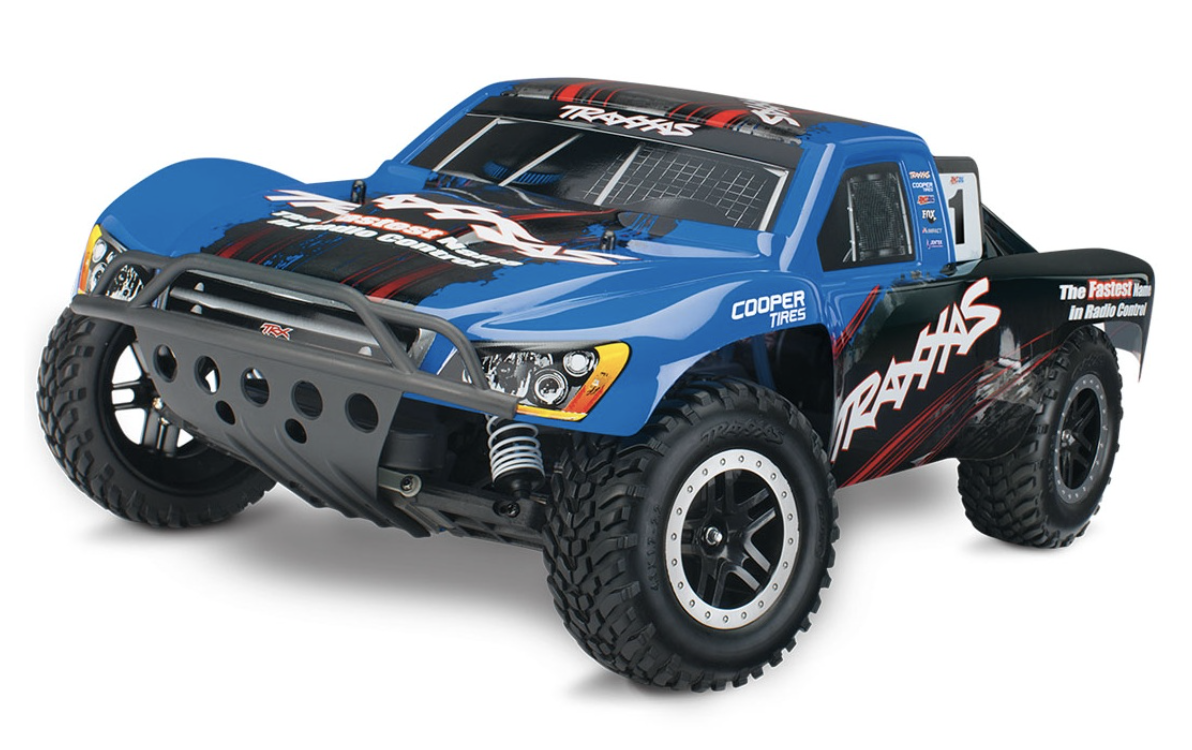 source: traxxas.com |
Off-Road |
Full-Contact Racing. Modeled after desert trophy trucks with a full-fender body shell. The body covers the wheels, allowing for aggressive racing without tangling tires. |
|
Crawlers |
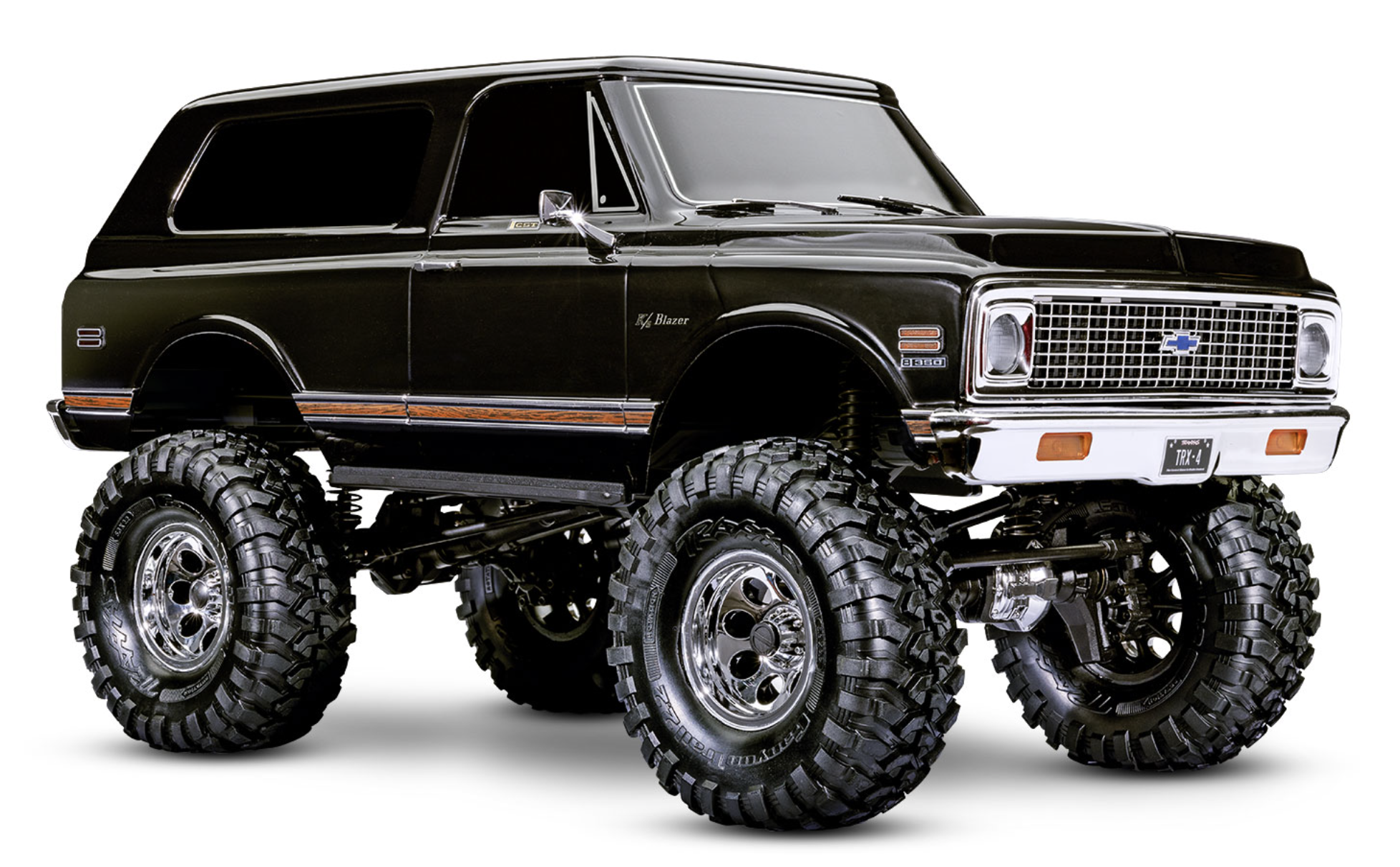 source: traxxas.com |
Off-Road |
Technical Climbing. Slow, high-torque machines with locked differentials. Designed to navigate vertical rocks and steep trails where precise tire placement matters more than speed. |
Main Components of an RC Car
To understand how to repair or build an RC car, it helps to first understand its anatomy. These components work together to provide structural integrity, power, control, and motion.
|
Component |
Typical Example |
Key Function |
Description |
|---|---|---|---|
|
Chassis |
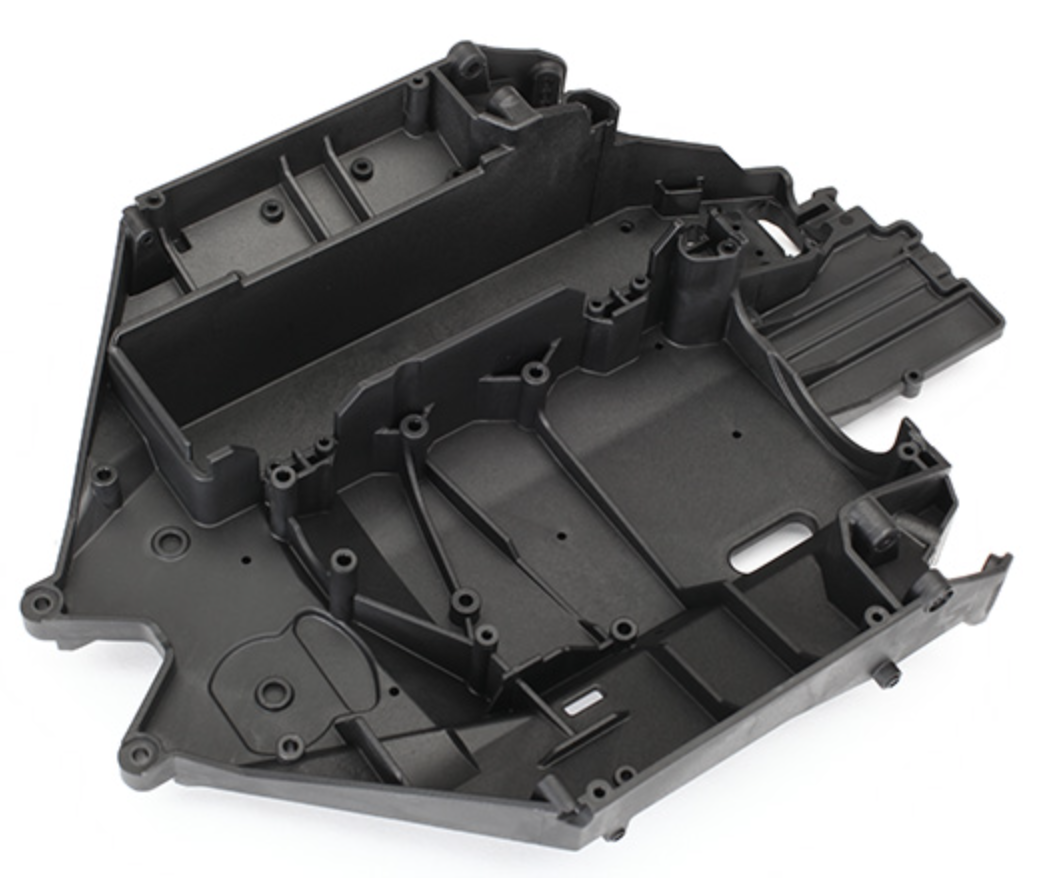 |
Structural Foundation |
The main frame providing mounting points for suspension, electronics, and drivetrain. |
|
Body Shell |
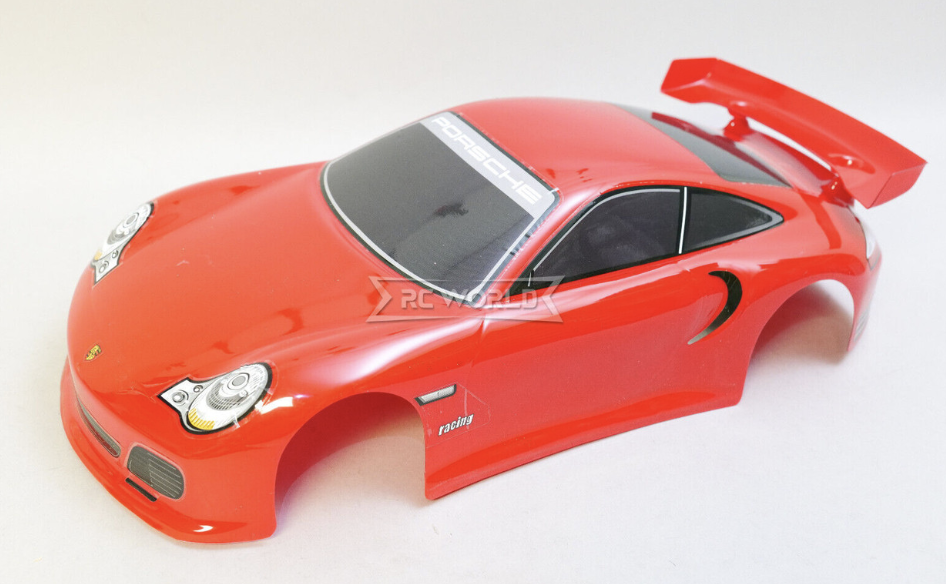 |
Protection & Aero |
Aerodynamic cover that protects components and defines the car’s look. |
|
Suspension System |
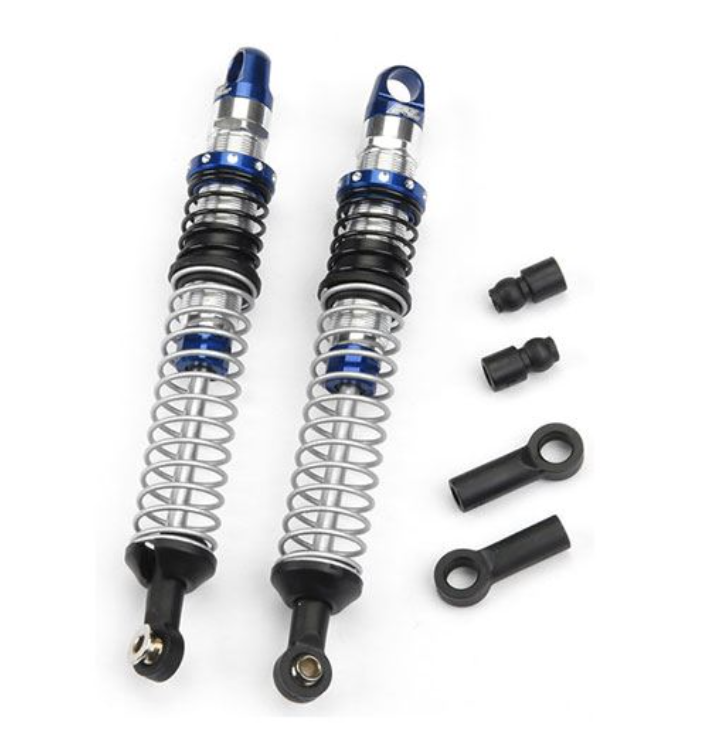 |
Impact Absorption |
Connects wheels to chassis with springs and shocks to absorb terrain impacts. |
|
Tires & Wheels |
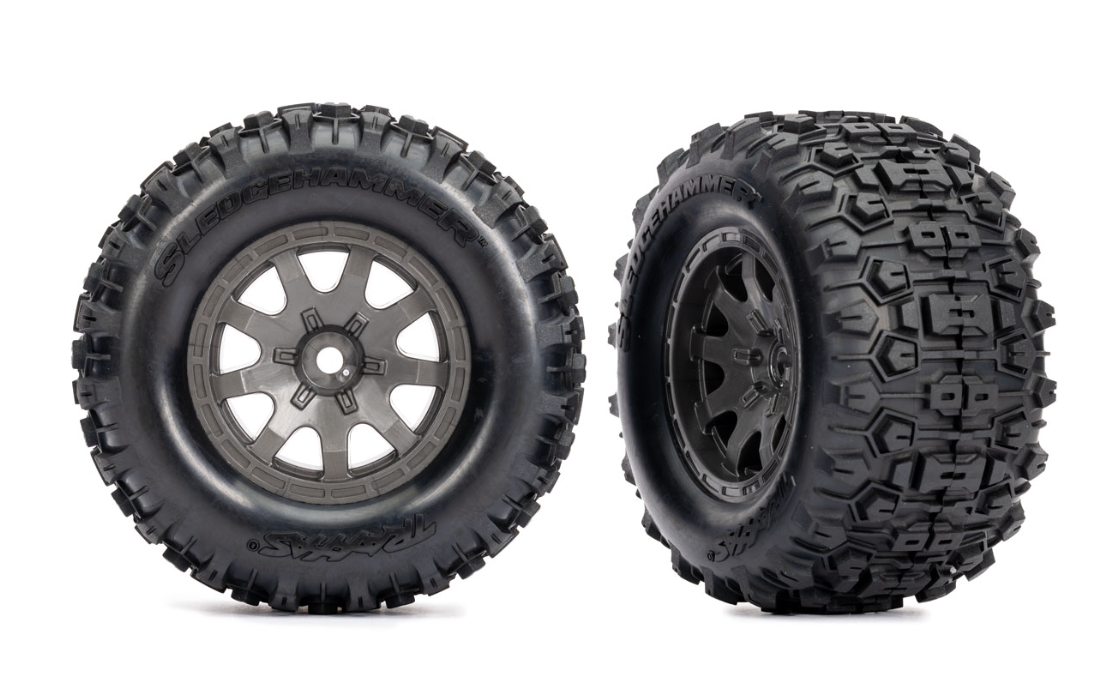 |
Traction & Grip |
Wheels support the car; tires provide grip through tread and rubber compound. |
|
Transmitter |
 |
User Control |
Handheld controller sending wireless signals to control throttle, brake, and steering. |
|
Receiver |
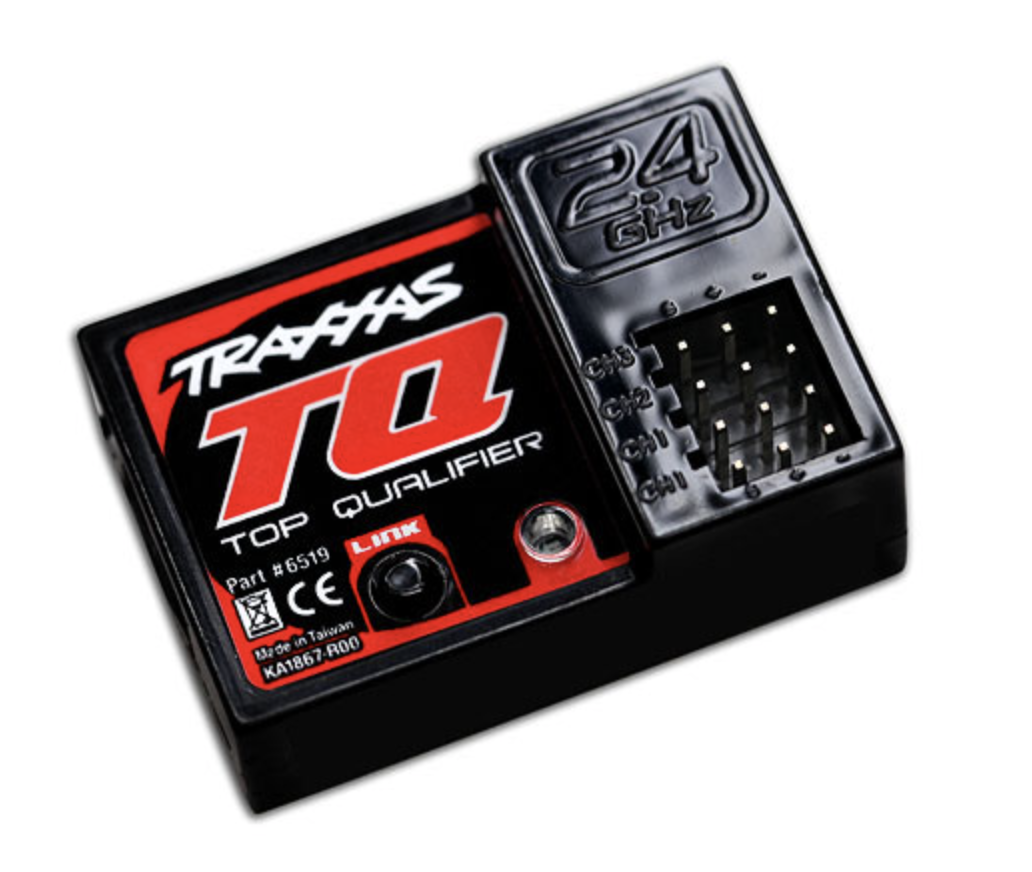 |
Signal Distribution |
Captures transmitter signals and sends commands to ESC and steering servo. |
|
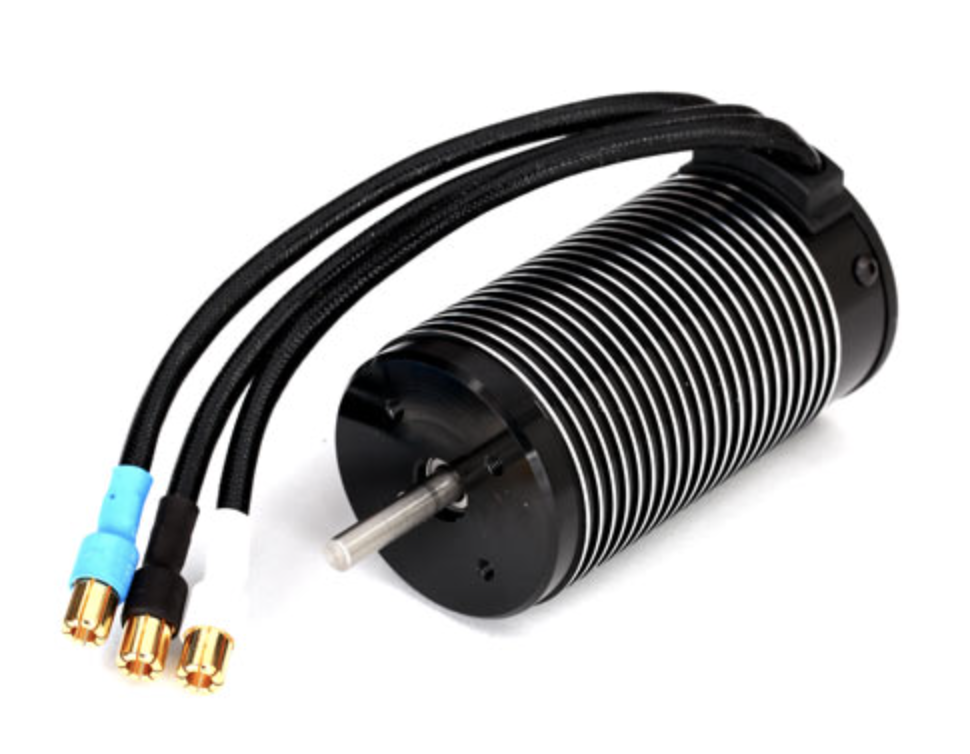
Motor |
 |
Propulsion |
Converts electrical energy into mechanical motion, determining speed and torque. |
|
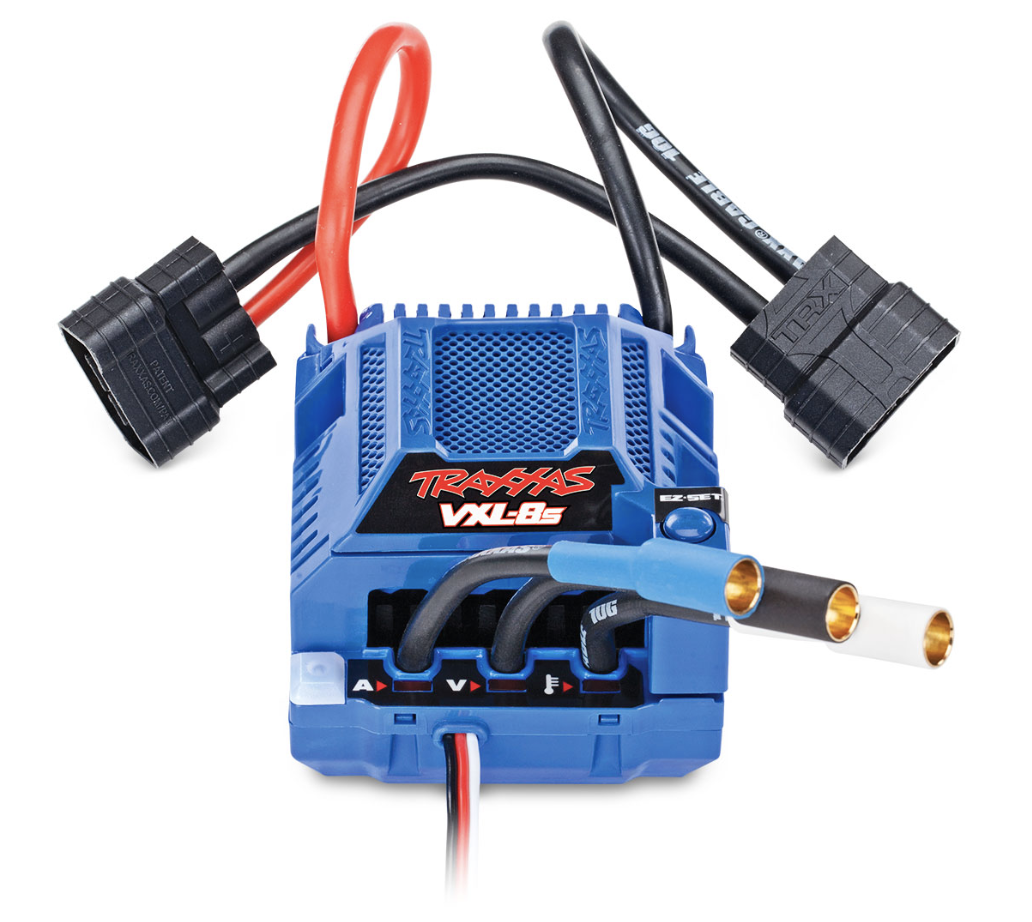
ESC (Electronic Speed Controller) |
 |
Power Management |
Regulates power from battery to motor, managing acceleration, braking, and reverse. |
|
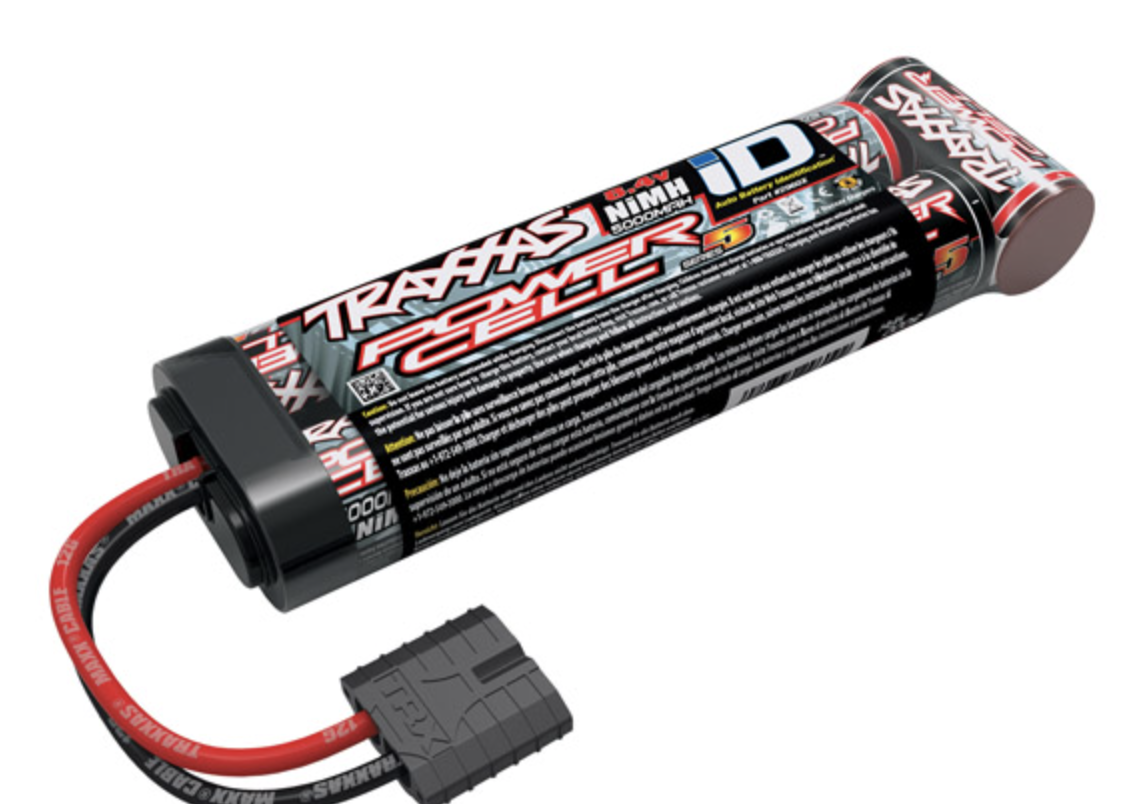
Battery |
 |
Power Source |
Stores and supplies DC power to the ESC and other electronics. |
|
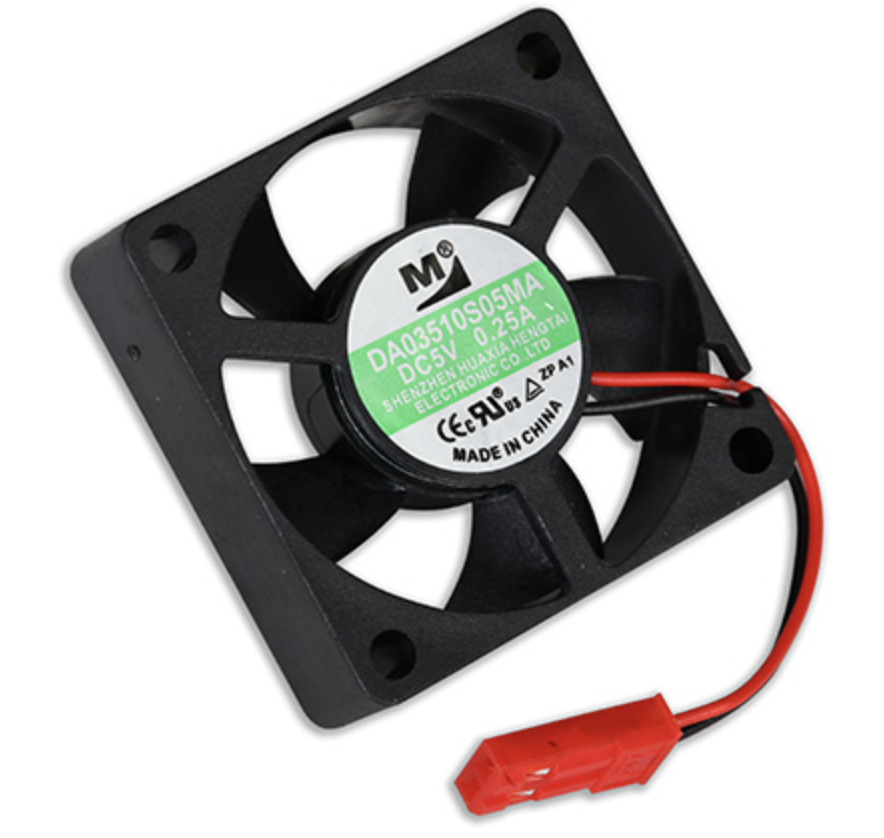
Cooling System |
 |
Thermal Management |
Heatsinks or fans that dissipate heat from motor and ESC. |
|
Drivetrain |
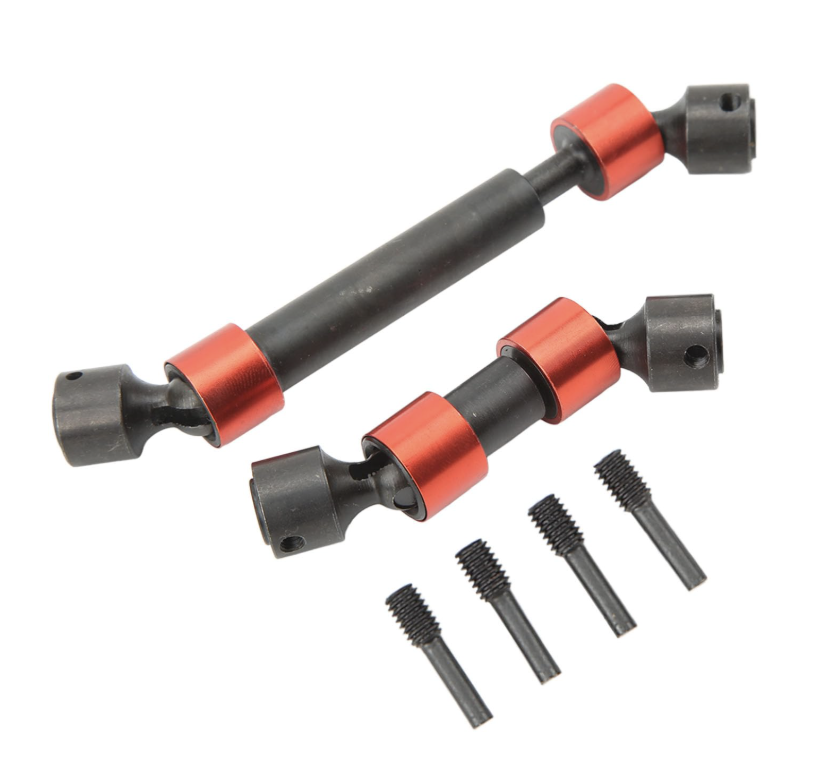 |
Power Transmission |
Transfers power from motor to wheels via gears, shafts, and axles. |
|
Differentials |
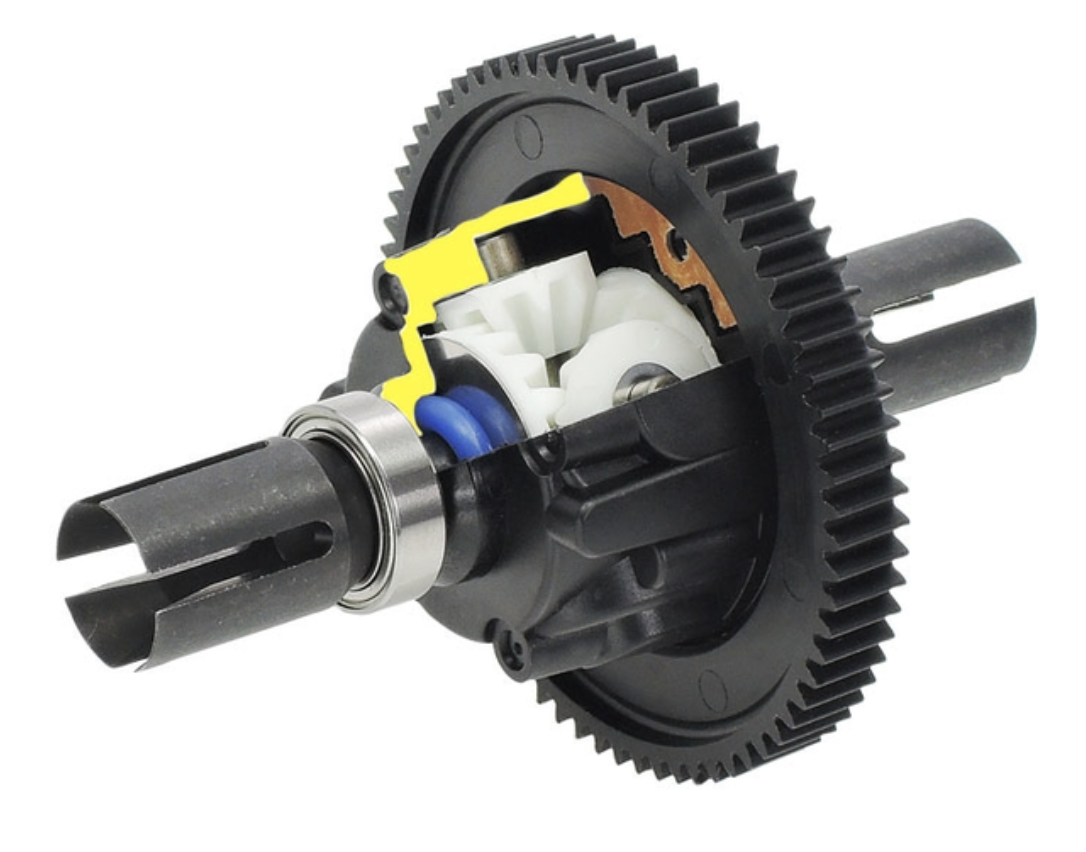 |
Cornering Control |
Allows left and right wheels to rotate at different speeds for smooth turns. |
|
Steering Servo |
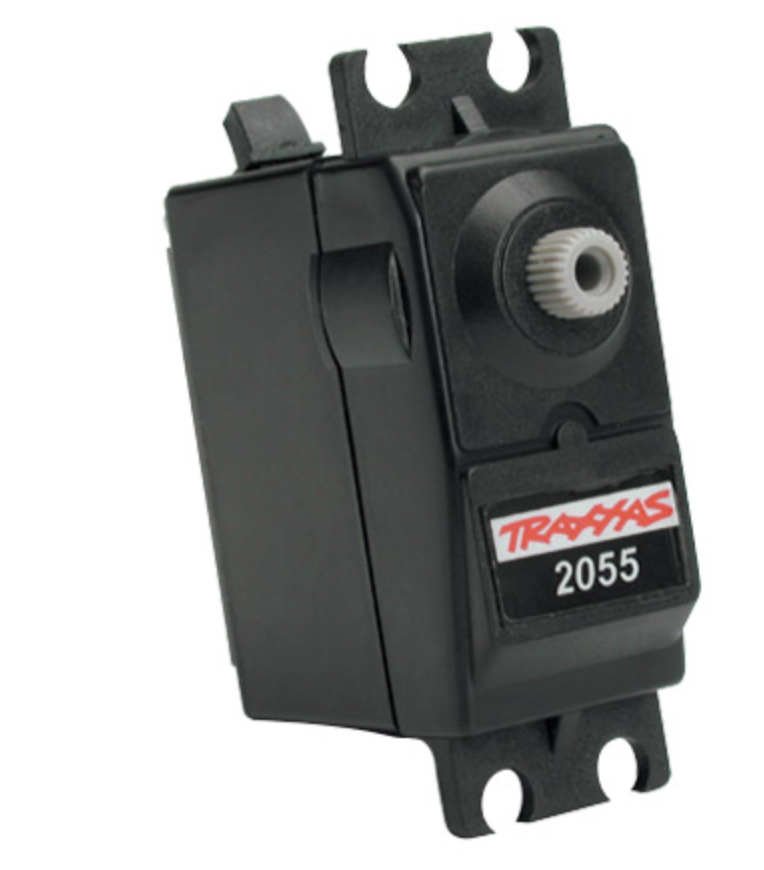 |
Directional Control |
Actuator controlling wheel direction through the steering linkage. |
Why 3D Print RC Car Parts?
Traditionally, RC enthusiasts were limited to manufacturer-made parts, making repairs and customization slow or sometimes impossible.
3D printing changes this by putting design, production, and iteration directly in the hands of the user. It allows RC parts to be produced on demand, customized freely, and manufactured in small quantities without expensive tooling.
In practice, 3D printing is valuable for four main reasons:
-
Customization: Parts can be designed for specific setups, weight targets, or aesthetics instead of relying on generic, mass-produced designs.
-
Replacement for Discontinued Parts: Out-of-production or hard-to-find components can be recreated and printed in modern, durable materials, keeping older RC cars running.
-
Rapid Prototyping: Designs can be printed, tested, and revised within days, making 3D printing ideal for development and fit verification.
-
Small-Batch Production: 3D printing makes it practical to produce 50 to 500 end-use parts, enabling niche RC upgrades without the cost of molds.
Whether for repair, performance tuning, or product development, 3D printing offers a level of flexibility that traditional manufacturing cannot match at this scale.
Print vs. Buy Checklist for 3D Printed RC Car Parts
Before starting, it’s good to know that a “3D printed RC car” is essentially a hybrid machine. It combines custom-printed parts with standard off-the-shelf hardware.
The parts marked as BUY below aren’t just optional. They are industrial components (like electronics) or precision metal parts (like bearings) where plastic 3D printing simply cannot compete on performance or physics.
Here’s a breakdown of the main RC car components and when to print versus buy:
|
Component Category |
Verdict |
Why? |
|---|---|---|
|
Structural Parts |
|
The Backbone. Buying replacements is expensive, but printing them costs cents. |
|
Protection & Aesthetics |
|
Customization. TPU bumpers absorb impacts better than rigid plastic. Printed bodies allow for unique designs not found in stores. |
|
Electronics & Power |
BUY |
The “Vitamins.” These are complex industrial products. You need standard hobby-grade electronics for reliable power and control. |
|
Mechanical Hardware (Bearings, Shafts, Differentials, Shocks) |
BUY |
Precision Required. Plastic cannot match the smoothness of steel bearings, the dampening of oil-filled shocks, or the torque resistance of metal differentials. |
|
Chassis |
CHOICE |
Print: For DIY projects (OpenRC), scale crawlers, or prototyping fitment before cutting metal. |
|
Tires & Wheels |
CHOICE |
Print: TPU tires are fine for drifting (low grip) or slow crawling. |
Now that you know which parts can be printed and which are better bought, the next step is deciding how you want to make them, whether by printing them yourself at home or using professional 3D printing services.
Path 1: DIY RC Car 3D Printing Guide
For hands-on builders, printing RC car parts at home offers unmatched flexibility, fast iteration, and full control over design choices, covering everything from structural components to functional upgrades.
FDM 3D Printing & Filament Guide for RC Cars
FDM (Fused Deposition Modeling) is the most accessible 3D printing method for RC enthusiasts. With the right materials and settings, it can produce durable, functional RC car parts right at home.
Since RC parts endure different levels of stress, impact, and heat, picking the right filament is essential. Here’s a detailed breakdown of the technical specifications for the most popular filaments, ordered by print difficulty:
|
Filament Type |
Print Difficulty |
Impact Strength (kJ/m²) |
Heat Deflection Temp (°C) |
Recommended Parts |
Considerations |
|---|---|---|---|---|---|
|
PLA |
★ (Beginner) |
3–5 |
52 |
Aesthetic body shells, prototyping fitment, dashboards, interior details. |
Low heat resistance and brittle. Not for structural parts. |
|
PETG |
★★ (Easy) |
6–9 |
70 |
The “Daily Driver”: chassis plates, suspension arms, shock towers, roll cages. |
Can be stringy. Bends under stress rather than breaking. |
|
ABS / ASA |
★★★ (Intermediate) |
20–30 |
95 |
Motor mounts, steering knuckles, outdoor parts (ASA UV resistant). |
Needs enclosure and heated bed. ASA preferred outdoors. |
|
TPU |
★★★★ (Advanced) |
>50 (Elastic, absorbs energy) |
80 |
Custom tires, bumpers, suspension bushings, body post cushions. |
Hard to print. Slow speeds (~20mm/s). Direct Drive extruder recommended. |
|
Nylon (PA) |
★★★★★ (Expert) |
>60 |
110 |
High-stress structural parts: Heavy-duty suspension arms, wing mounts, roll cages. |
Absorbs moisture instantly; must be dried before printing. Requires all-metal hotend (>250°C). |
Note: Impact Strength measures the energy required to break the material (higher is tougher). Heat Deflection Temp (HDT) indicates the temperature at which the part begins to deform under load.
Hardware Check: Is Your Printer Ready?
While all the materials above are compatible with FDM technology, some require specific printer upgrades to succeed. Before you buy a roll of filament, check your setup:
-
Standard Setup (PLA, PETG): These work on almost any budget 3D printer right out of the box with standard brass nozzles.
-
Enclosure Required (ABS, ASA): You need a closed chamber (enclosure) to trap heat. Without it, these materials will cool too fast during printing, leading to severe warping and layer splitting.
-
Direct Drive Extruder (TPU): Flexible filament is like pushing a cooked noodle; it struggles in long tubes (Bowden setups). A Direct Drive extruder (where the motor is right above the nozzle) is highly recommended for success.
-
All-Metal Hotend & Dryer (Nylon): Nylon is the most demanding. It requires high temperatures (>250°C) that can melt standard printer parts, and it absorbs moisture instantly. You must print it directly from a heated filament dryer box.
How to Make a 3D Printed RC Car (Step-by-Step)
Building your own 3D printed RC car is both fun and educational. With the right preparation and careful execution, you can have a fully functional car ready to hit the track. Follow these six steps:
Step 1: Prepare Your Model
Before printing, you need a solid 3D model that fits your car’s size, wheelbase, and intended electronics. You have three main options:
-
Community Repositories (Free): Browse platforms like Thingiverse, Printables, and MakerWorld. Look for projects with high user ratings and “Make” photos to ensure the design is printable and functional.
-
Premium Models (Paid): Purchase professionally designed files from marketplaces like Cults3D. These often feature better engineering, detailed instruction manuals, and scale replica aesthetics.
-
Custom Design or Remix: If you are familiar with CAD software, you can design a custom chassis or “remix” existing parts to add unique features like custom bumpers or spoilers.
Pre-Print Checklist:
-
Bill of Materials (BOM) Check: Ensure the model is compatible with the hardware (motors, shocks, batteries) you plan to use.
-
Inspect the file: Check for thin walls or non-manifold edges in your slicer preview that could cause print failures.
-
Crucial Note on Scaling: Avoid scaling individual mechanical parts. Changing the size of a suspension arm or chassis will cause screw holes and bearing seats to shrink or expand, making standard hardware (like M3 screws) impossible to fit.
Popular 3D Printable RC Car Models:
If you aren’t sure where to start, here is a selection of 10 popular models from the community.