
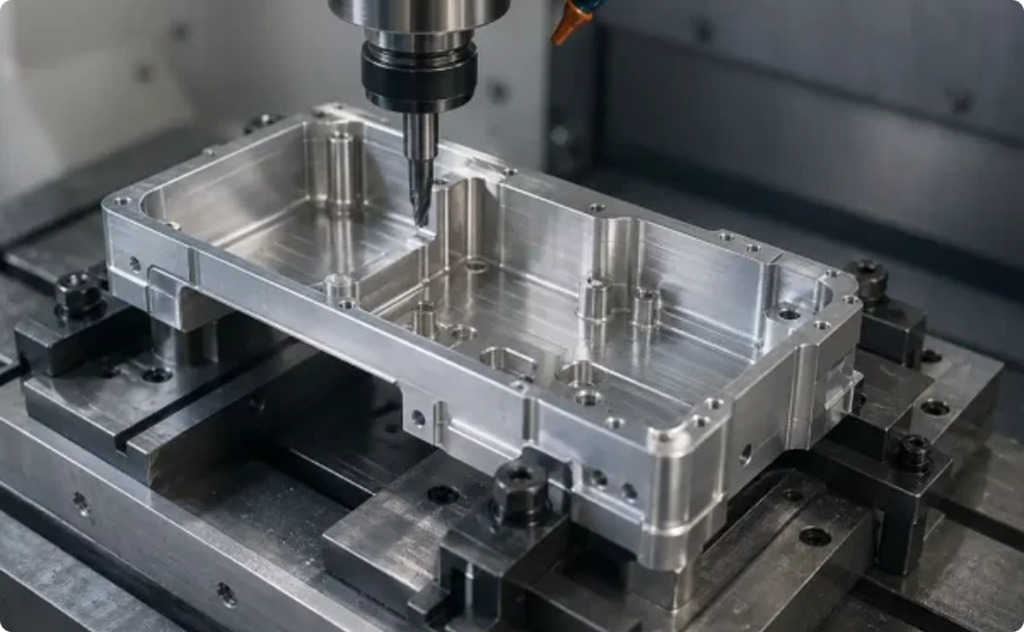
Discover a real success story of aluminum 3D printing and the edges of aluminum over other metals in 3D printing.
Introduction
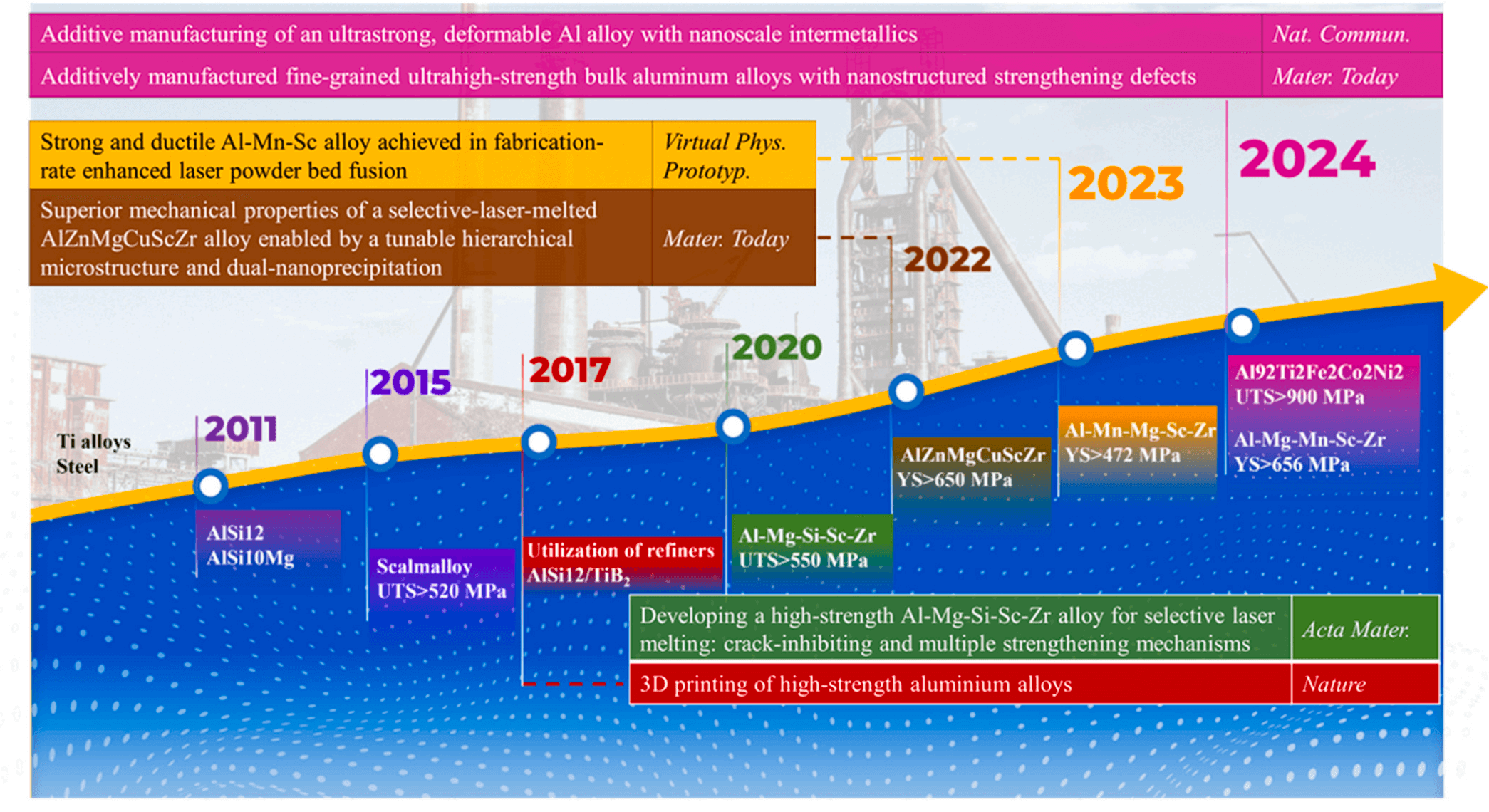
Source: https://doi.org/10.1016/j.msea.2024.147464
The initial application of aluminum in 3d printing can be traced to the year of 2011, when 3D printing was primarily used for polymers.
Whilst its adoption is relatively slower compared with that of steels and titanium alloys, significant progress has been made in the development of novel processes, alloys, and applications in the past 15 years around.
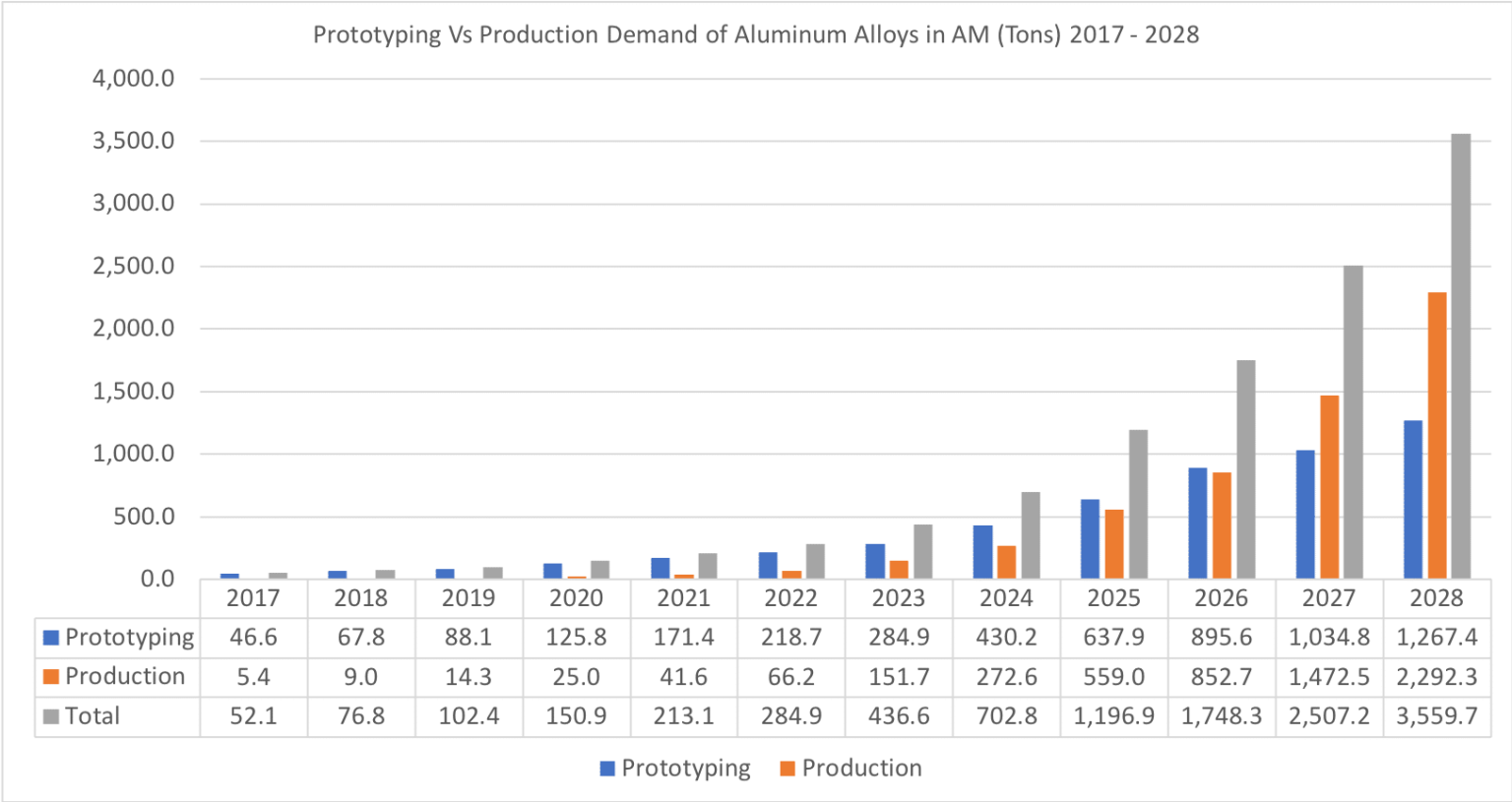
SmarTech Publishing (somewhat conservatively) once expected aluminum AM part production to overtake prototyping by 2027.
Unionfab’s Success Story of Aluminum 3D Printing in Aerospace
One of the wide applications of aluminum 3d printing to produce end parts is in aerospace. We, Unionfab, have recently helped an aerospace client out via utilizing this technology. The following is some background information.
Client Background
The client is an innovator in developing advanced plenums for aircraft engines. They planned to develop a high-performance engine plenum that would:
-
Optimize airflow for better engine performance.
-
Reduce weight without sacrificing strength.
-
Ensure durability in harsh aviation conditions.
Solution
Unionfab offered a solution combining sheet metal fabrication and SLM 3D printing with AlSi10Mg to manufacture the engine plenums.
-
Material Selection: Aluminum alloy was chosen over plastic for its perfect balance of strength, weight, and durability. It ensures reliability in harsh aviation conditions while being cost-effective for production.
-
Stringent Aerospace Standards: The parts were produced by Unionfab’s AS9100D-certified team, meeting the rigorous demands of the aerospace and defense industries.
-
Precise 3D Printing: The intricate geometries required for the plenums and injector pipes were achieved with Unionfab’s cutting-edge SLM 3D printing technology.
Result
The collaboration delivered exceptional results. To ensure a perfect fit, Unionfab also provided a free assembly test.
-
Enhanced Performance: The 3D-printed plenum optimized airflow, improving the engine’s efficiency and reliability.
-
Durability & Weight Reduction: AlSi10Mg maintained strength while reducing weight by 1–2 kg.
-
Fast Turnaround: Parts were manufactured and delivered within two weeks, meeting critical deadlines.
-
Eco-Friendly Manufacturing: 3D printing minimized material waste, aligning with Unicorn Aviation’s sustainability goals.
The success of this collaboration was largely due to aluminum alloy’s cost-effective strength-to-weight ratio. With a 30% higher strength-to-weight ratio than stainless steel and 50–70% lower cost than titanium, AlSi10Mg became our top choice.
So, what sets aluminum alloys apart from other common 3D printing metals?
Aluminum vs. Titanium vs. Steel vs. Copper vs. Nickle vs. Cobalt
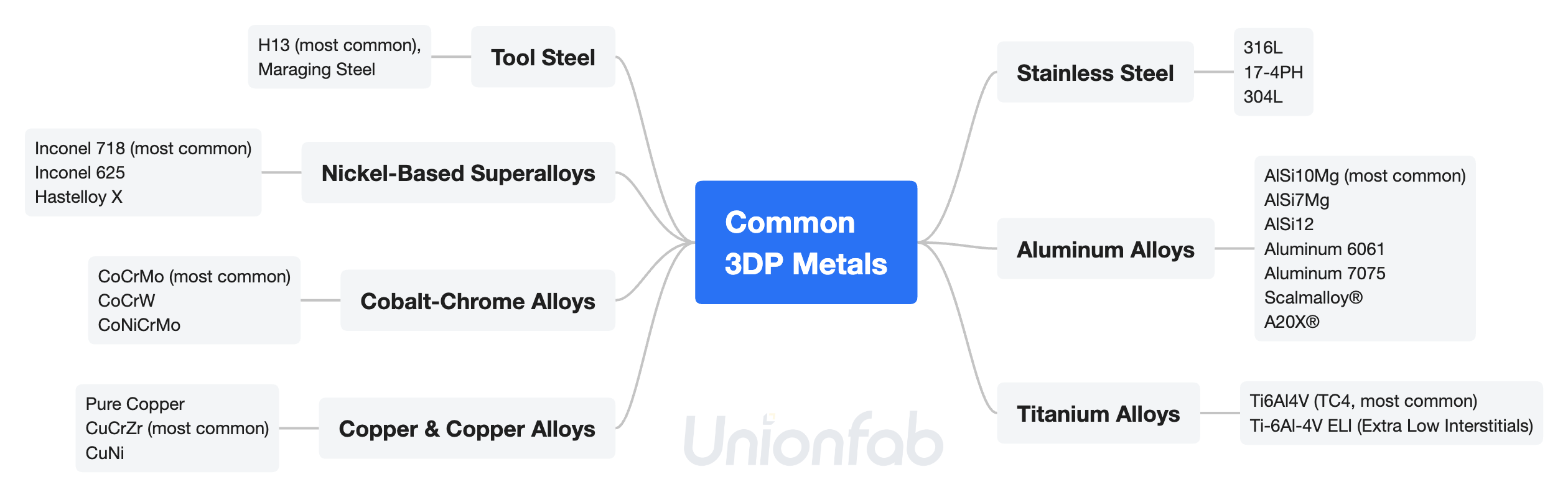
In 3D printing, alloys outperform pure metals, which is why almost all 3D printing metals are alloys. Below, we’ve summarized and compared the performance of common 3D printing metal alloys to help you choose the most suitable material.
|
Material |
Strength-to-Weight Ratio (MPa·g/cm³) |
Corrosion Resistance (MPY) |
Thermal Conductivity (W/m·K) |
High-Temperature Resistance (°C) |
Printability |
Cost ($/kg) |
Common Types Used in 3DP |
Applications |
|---|---|---|---|---|---|---|---|---|
|
Aluminum Alloys |
100-150 |
0.1-5.0 |
120-220 |
150-300 |
8 |
3-6 |
AlSi10Mg (most common), AlSi12, 6061 Aluminum |
Aerospace, automotive, industrial parts, lightweight structures |
|
Titanium Alloys |
200-260 |
0.01-0.5 |
6-12 |
400-600 |
6 |
30-80 |
Ti6Al4V (most common), Ti-6Al-4V ELI (Extra Low Interstitials) |
Aerospace, medical implants, high-performance automotive parts |
|
Stainless Steel |
80-120 |
0.1-1.0 |
15-25 |
600-800 |
5 |
5-12 |
316L Stainless Steel (most common), 17-4PH, 15-5PH, 304L |
Industrial tools, automotive, aerospace, medical devices |
|
Tool Steel |
150-200 |
5-20 (coating needed) |
20-40 |
200-500 |
4 |
8-15 |
H13 (most common), D2, M2, S7 |
Tooling, dies, molds, manufacturing equipment |
|
Nickel-Based Superalloys |
180-220 |
0.01-0.1 |
10-15 |
800-1200 |
3 |
80-150 |
Inconel 718 (most common), Inconel 625, Hastelloy X |
High-temperature applications (e.g., jet engines, turbines, power plants) |
|
Cobalt-Chrome Alloys |
200-250 |
0.05-0.5 |
12-20 |
800-1100 |
4 |
100-200 |
CoCrMo (most common), CoCrW, CoNiCrMo |
Medical implants, aerospace, dental crowns and bridges |
|
Copper & Copper Alloys |
50-80 |
0.5-2.0 |
300-400 |
200-300 |
7 |
8-12 |
Pure Copper, |
Heat exchangers, electrical components, thermal management systems |
Material Recommendations:
-
Lightweight & Strength (aerospace, automotive):
-
Aluminum Alloys: Great strength-to-weight ratio, cost-effective.
-
Titanium Alloys: High strength, low weight for performance-critical parts.
-
-
High-Temperature Resistance (turbines, engines):
-
Nickel-Based Superalloys: Perfect for extreme high-temp environments.
-
Cobalt-Chrome Alloys: Ideal for high-temp, high-strength applications.
-
-
Corrosion Resistance (marine, chemical environments):
-
Titanium Alloys: Excellent corrosion resistance.
-
Stainless Steel: Good corrosion resistance for various industries.
-
-
Cost-Effective for High-Volume Production:
-
Aluminum Alloys: Affordable, easy to print for large-scale production.
-
Stainless Steel: Balanced cost and performance.
-
-
Precision & Durability (tools, medical, aerospace):
-
Stainless Steel: Durable and precise for medical devices and tools.
-
Tool Steel: Best for wear-resistant tools and molds.
-
To learn more about 3d printing metals, read the articles: Stainless Steel 3d printing, Titanium 3d printing, Copper 3d printing, Inconel 3d printing.

Comparison of Aluminum 3D Printing Service Providers
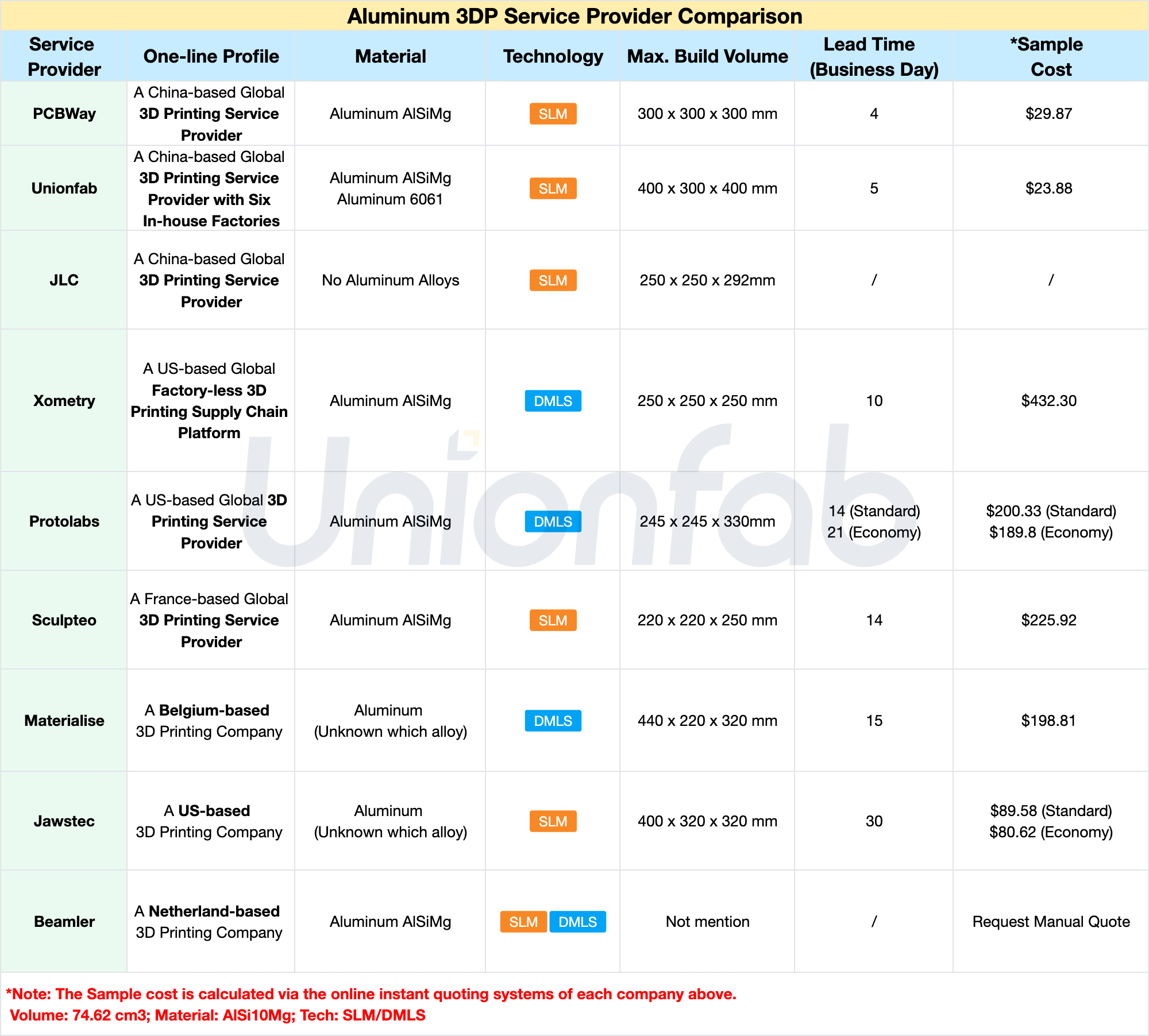
Here we have compared key global aluminum 3d printing service providers to help you choose the most suitable partner.
Aluminum 3D Printing Service Provider Recommendation
-
For Low Cost and Fast Turnaround: PCBWay (faster) and Unionfab (lower cost) are the best choices.
-
For Large Parts: Unionfab (affordable and fast), Materialise (higher cost and longer lead time) and Jawstec (longest lead time) stand out with larger build volumes.
Real Customer Feedback on Trustpilot
Below is the score of some companies above on Trustpilot. You can click the score to see feedback from real customers.
|
Service Provider |
Xometry |
Unionfab |
Jawstec |
PCBWay |
Protolabs |
Sculpteo |
Materialise |
JLC |
Beamler |
|---|---|---|---|---|---|---|---|---|---|
|
Trustpilot Score |
If you are in need of aluminum 3d printing service now, welcome to use Unionfab’s online free cost calculator to predict how much your print will cost.
Unionfab’s Aluminum 3D Printing Service
The followings are the details of Unionfab’s aluminum 3d printing service.
|
SLM/DMLS |
|
|---|---|
|
Equipment |
BLT; SLM; EOS; EXONE |
|
Materials |
Aluminum (Alsi10Mg) |
|
Max Part Size |
400 x 300 x 400mm |
|
Layer Thickness |
0.035 mm |
|
Tolerance |
±0.2 mm |
|
Min. Wall Thickness |
0.5 mm |
|
*Min. Reference Unit Price |
Aluminum (Alsi10Mg): |
|
Pass Rate |
99.5% |
|
Lead Time |
As fast as 4-5 days |
|
On-time Delivery Rate |
98% |
|
Certification |
ISO 9001, ISO 13485, and AS 9001D |
|
*The actual unit price is subject to real-time inquiry. |
If you haven’t used Unionfab’s 3d printing service yet, sign up now to get a 10% discount on your first order!

Post Processing
We not only provide high-precision printing but also a range of post-processing options below, including sandblasting, electroplating, and polishing etc., to improve surface quality, durability, and aesthetics of the prints, ensuring the perfect fit for various applications.
 |
 |
 |
 |
 |
|---|---|---|---|---|
 |
 |
 |
 |
 |
 |
 |
 |
 |
 |
QA Report & Free Sample Printing
In addition to delivering cost-effective prints, we also offer quality assurance services and can send the QA report with the shipment.
For large-volume orders, free sample printing can be provided to ensure the final parts meet your specifications and quality standards before full production.
Technologies for Aluminum 3D Printing
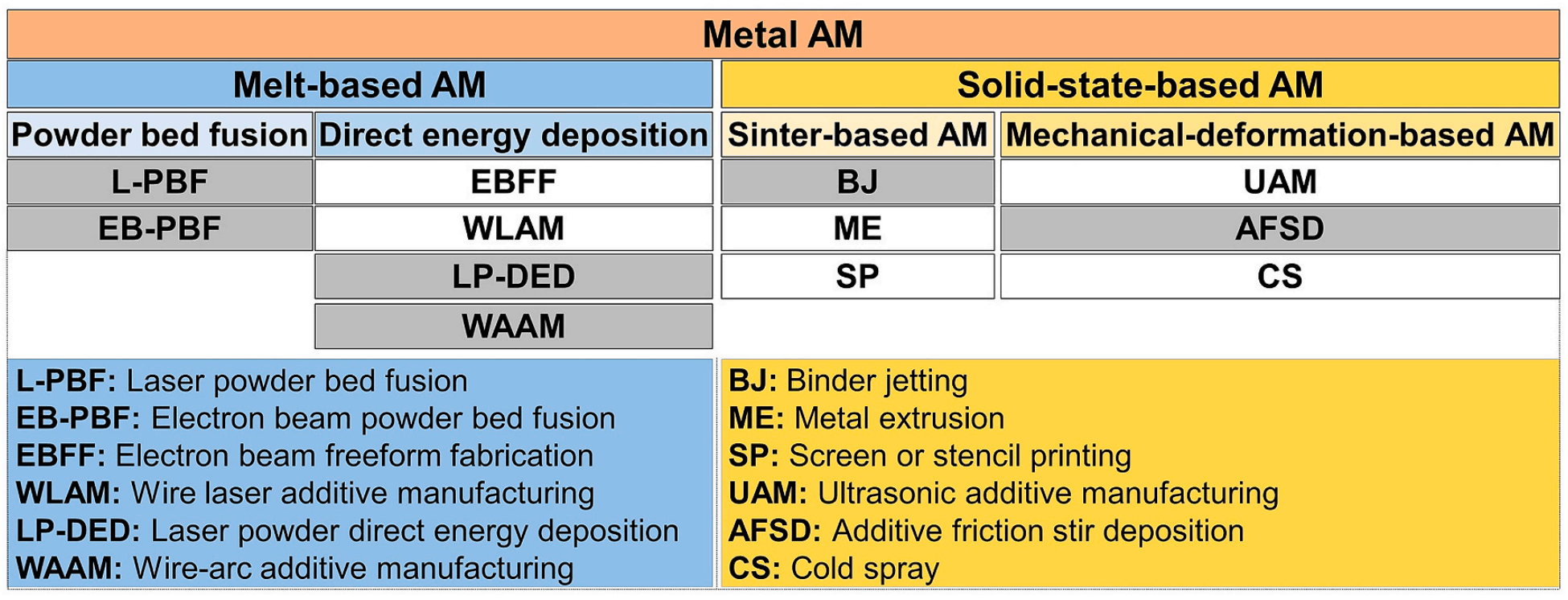
Source: https://doi.org/10.1016/j.ijmachtools.2023.104047
Among all the metal AM techniques above, 6 of them can be utilized to fabricate Al alloys: L-PBF, EB-PBF, LP-DED, WAAM, BJ(potential technique to be widely applied) and AFSD.
Among the 6 techniques, L-PBF is the most commonly used. So, we will mainly focus on L-PBF here. If you’re interested in other metal AM techniques, read our previous article on metal 3d printing, where all techniques are explained in detail.
L-PBF
L-PBF (Laser Powder Bed Fusion) is essentially another term for SLM (Selective Laser Melting), or DMLS (Direct Metal Laser Sintering). It uses a laser to selectively melt and fuse metal powder, layer by layer, to build up a solid part. The video below shows how the technique works.
For more details about L-PBF, or SLM 3d printing, read our previous article Guide to SLM 3D Printing/Metal LPBF [+Cost Calculator] to have a better understanding.
Different Types of Aluminum Alloys in 3D Printing
Aluminum alloys are typically divided into cast and wrought types, based on their manufacturing processes. The former dominated the initial employment of aluminum in 3D printing.
As research progressed, a wider variety of alloys have been used. Elements like Sc, Zr, and Mn have been added to improve alloy structures. The following table has compared the common available aluminum alloys used in 3d printing.
|
Alloy Type |
Main Composition |
3D Printing Suitability |
Strength |
Heat Resistance (≈℃) |
Wear Resistance |
Corrosion Resistance |
|---|---|---|---|---|---|---|
|
AlSi7Mg |
7% Si, 0.3% Mg |
✅ Suitable |
320/170 |
~200 |
★★☆☆☆ |
★★★★☆ |
|
AlSi10Mg |
10% Si, 0.3% Mg |
✅ Most commonly used |
400/250 |
~250 |
★★★☆☆ |
★★★★☆ |
|
AlSi12 |
12% Si |
✅ Suitable |
280/160 |
~250 |
★★★★☆ |
★★★☆☆ |
|
AlSi9Cu3 |
9% Si, 3% Cu |
⚠ Challenging |
320/200 |
~300 |
★★★☆☆ |
★★☆☆☆ |
|
Aluminum 6061 |
1% Mg, 0.6% Si |
⚠ Requires optimization |
310/275 (T6) |
~400 |
★★★☆☆ |
★★★☆☆ |
|
Aluminum 7075 |
5.6% Zn, 2.5% Mg, 1.6% Cu |
❌ Very difficult |
560/480 (T6) |
~450 |
★★★★☆ |
★★☆☆☆ |
|
Scalmalloy® |
Al-Mg-Sc (0.7% Sc) |
✅ De   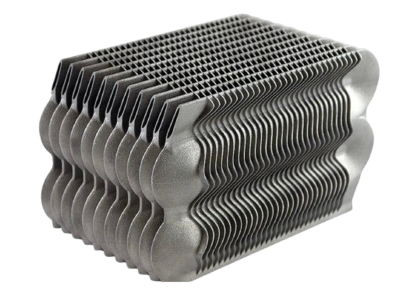   |