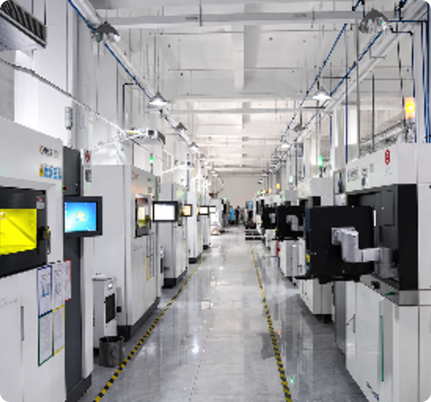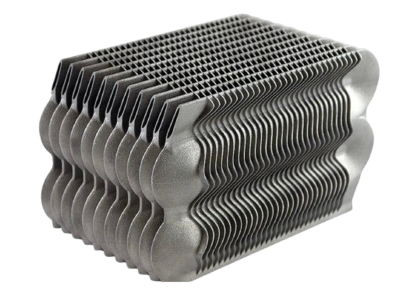

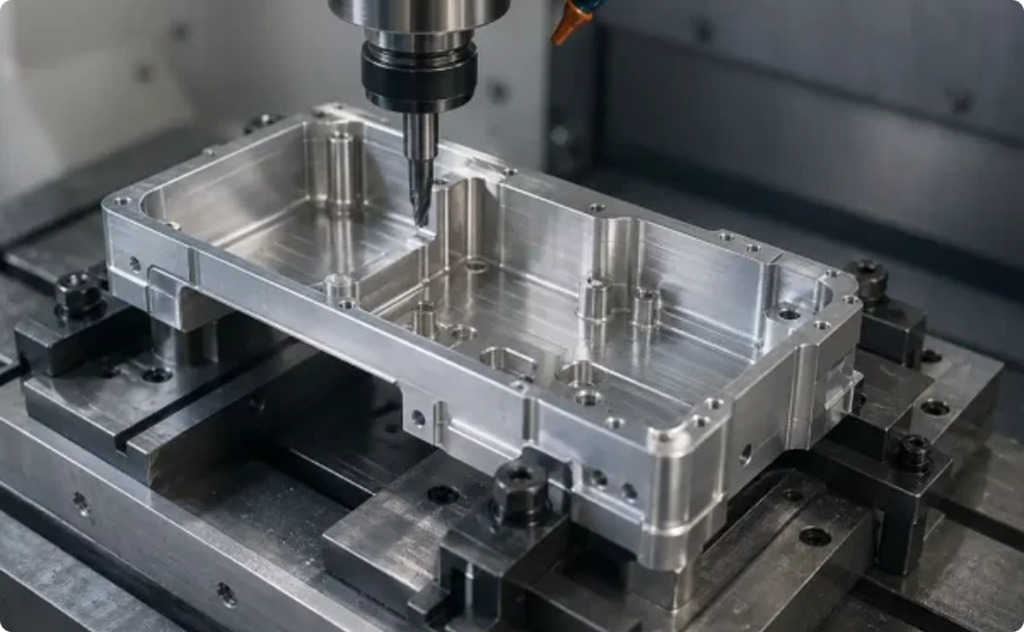
Discover custom car center consoles: why go custom, manufacturing options, material comparisons, design tips, and cost drivers. Then, partner with Unionfab to manufacture your custom console with factory-level fit and finish.
Introduction
The center console serves as the “control center” of the vehicle, connecting the driver to the machine. Yet for many project cars and classic vehicles, the factory console is often an afterthought. It may be bulky, lack usable storage, or fail to support modern needs such as larger cup holders and phone mounts.
Designing a custom center console allows these limitations to be addressed directly. By improving ergonomics and adapting the layout to contemporary use, a well-planned console can enhance both everyday usability and the overall cohesion of the interior design.
What Is a Car Center Console?
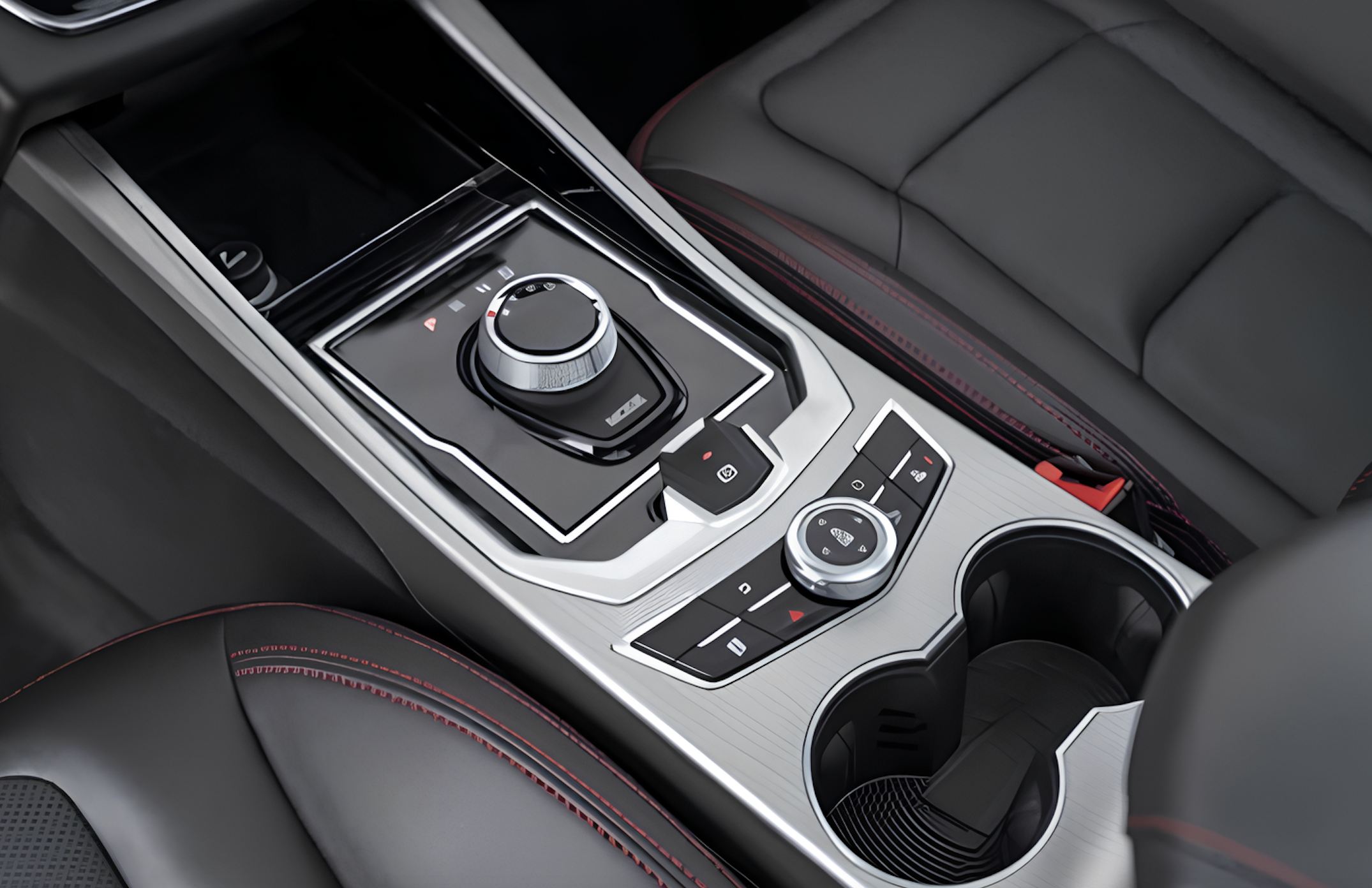
Source: shutterstock.com
In simple terms, the center console is the interior unit located between the driver and front passenger seats. It acts as a bridge, connecting the dashboard to the space between the seats.
While it may look like just a storage box, it actually serves three main roles in a vehicle:
1. The Mechanical Cover
Many vehicles, especially rear-wheel-drive and all-wheel-drive models, have a raised “hump” running down the middle of the floor. This is the transmission tunnel, which houses the driveshaft and exhaust components.
The center console covers this hump, providing a clean and finished look to the cabin.
2. The “Command Center”
The center console also acts as the operational hub, placing essential controls within easy reach of the driver. Common components include:
-
Gear Selector: The shift knob (manual) or automatic shifter assembly.
-
Vehicle Controls: Parking brake levers, window switches, and drive-mode selectors.
-
Infotainment: Touchscreens or media controls, often integrated with the dashboard.
3. Comfort and Convenience
For passengers, the console provides organization and comfort. Typical features include:
-
Armrest: A padded section for driver and passenger comfort.
-
Storage: Cup holders, coin trays, and a deep storage bin under the armrest.
-
Connectivity: USB ports, auxiliary inputs, or wireless charging pads.
A Note on Variations
Some luxury vehicles or large SUVs include a rear center console for back-seat passengers. However, the term “center console” most commonly refers to the front console, which is the main focus for most custom builds and restoration projects.
Why Choose a Custom Car Center Console Over a Factory One?
When upgrading a vehicle, the center console is often overlooked.
Factory consoles are built for the average driver, often sacrificing style and modern features for mass production. A custom console solves these issues by offering a tailored fit, premium materials, and upgraded technology designed specifically for your vehicle.
Custom vs. Standard Car Center Consoles
|
Feature |
Standard (Factory) |
Custom |
|---|---|---|
|
Design Philosophy |
Built for general needs and cost-efficiency. |
Built to solve specific problems and enhance comfort. |
|
Fit & Finish |
Generic; may leave gaps or feel loose. |
Precision fit; contours perfectly to the transmission tunnel. |
|
Storage |
Basic bins; may create clutter. |
Purpose-built compartments for devices and equipment. |
|
Technology |
Often outdated; limited ports or interfaces. |
Modernized with wireless charging, USB-C, and digital displays. |
|
Durability |
Standard automotive materials; functional but generic. |
Heavy-duty materials designed for long-term use. |
|
Visual Appeal |
Neutral; designed to blend in rather than stand out. |
Unique; complements the interior theme and style. |
Manufacturing Methods for Custom Car Center Consoles
For a custom console to blend seamlessly with a vehicle’s interior, the manufacturing method must match the design goals. We have ordered these methods starting with the most traditional and widely used techniques, moving toward modern, precision-based technologies, and finally covering niche applications.
1. Woodworking / MDF Fabrication
MDF (Medium-Density Fiberboard) is a composite wood product that serves as the structural skeleton for most custom consoles. Fabricators cut and glue these boards to form the basic box shape before covering them with other materials.
-
Best For: Building the main structural frame and flat surfaces of the console.
-
Pros: Cost-effective; easy to cut with standard tools; provides a heavy, stable base that resists vibration.
-
Cons: Heavy; absorbs moisture if not properly sealed; cannot easily create complex curves without extensive sanding.
2. Fiberglass and Molding
This method uses glass fibers reinforced with resin to create strong, lightweight shapes that can contour perfectly to a car’s floor. It is often laid over a fleece or wire mesh framework to harden into a specific form.
-
Best For: Creating organic curves, flowing lines, and fitting the console to the transmission tunnel.
-
Pros: Extremely durable and lightweight; allows for limitless shapes and designs.
-
Cons: Messy and chemically intensive; requires significant time for sanding and bodywork to achieve a smooth surface.
3. Upholstery and Wrapped Fabrication
Upholstery involves covering the raw structure with materials like leather, vinyl, or Alcantara to match the vehicle’s interior. It often includes a layer of foam padding to provide a soft, premium feel.
-
Best For: The final exterior finish that matches the car’s seats and door panels.
-
Pros: Provides a high-end, luxury aesthetic; soft to the touch; offers a wide variety of textures and colors.
-
Cons: Requires skilled sewing and stretching techniques; difficult to wrap around sharp internal corners or complex vents.
4. 3D Printing (Additive Manufacturing)
3D printing builds parts layer by layer from digital files, allowing for the creation of intricate internal components that traditional tools cannot machine. It bridges the gap between digital design and physical functionality.
-
Best For: Complex internal mounts, custom cup holders, hidden hinges, and rapid prototyping.
-
Pros: Enables complex geometries and internal lattice structures for lightweight strength; ensures precise fitment for electronics; perfect for one-off custom parts without tooling costs.
-
Cons: Limited build volume (large consoles must be printed in sections); raw surface finish may show layer lines if not smoothed or painted.
5. CNC Machining
CNC (Computer Numerical Control) machining uses computer-guided tools to cut solid blocks or sheets of material with extreme precision. This subtractive process ensures that every angle and hole is mathematically perfect.
-
Best For: Metal trim rings, acrylic switch panels, and high-precision aesthetic accents.
-
Pros: Delivers a jewelry-like surface finish; maintains very tight tolerances for precise assembly; works excellently with aluminum, carbon fiber, and plastics.
-
Cons: Can be more expensive due to material waste and machine time; requires specific CAD programming knowledge.
6. Laser Cutting & Engraving
Laser technology uses a high-powered beam to slice through thin materials or etch surface designs. It is the standard method for processing acrylics and creating detailed graphics that cannot be achieved by mechanical cutting.
-
Best For: Backlit dashboard icons, acrylic inlays, and engraving logos or text.
-
Pros: Extremely fast for thin materials; creates polished edges on acrylics automatically; capable of microscopic detail.
-
Cons: Limited to 2D cutting (flat sheets only); can burn or discolor certain materials like wood or leather.
7. Sheet Metal Fabrication (Bending & Welding)
This technique involves cutting, bending, and welding sheets of aluminum or steel to form a rugged, industrial-style console. It eliminates the need for wood or fiberglass, offering a purely metallic structure.
-
Best For: Off-road vehicles, race cars, and vintage hot rods requiring maximum durability.
-
Pros: Virtually indestructible and fire-resistant; offers a distinct industrial aesthetic; relatively lightweight if using aluminum.
-
Cons: Has a “cold” feel compared to upholstered consoles; harder to integrate with soft luxury interiors; requires specialized welding equipment.
8. Vacuum Forming
Vacuum forming heats a plastic sheet until it is pliable, then uses suction to pull it tightly over a mold. This creates a smooth, uniform shell that replicates the look of factory-installed plastic parts.
-
Best For: Creating OEM-style plastic covers, inserts, or shallow trays.
-
Pros: Produces a smooth, factory-like finish; lightweight; repeatable process for multiple parts.
-
Cons: Requires creating a mold first, making it expensive for a single custom part; typically limited to simple shapes without undercuts.
Whether you are fabricating specific components or the entire assembly, you can verify manufacturability and instantly calculate costs for your CNC machining and 3D printing needs using our online platform.
Comparison of Manufacturing Methods
The following table compares these methods to help align your design goals with manufacturing realities.
|
Method |
Precision & Fit |
Design Freedom |
Cost Effectiveness |
Best For |
|---|---|---|---|---|
|
MDF / Woodworking |
★★☆☆☆ |
★★★☆☆ |
★★★★★ |
Structural foundation & basic shapes |
|
Fiberglass |
★★★☆☆ |
★★★★★ |
★★★☆☆ |
Complex curves & transmission tunnel fitting |
|
Upholstery |
N/A |
★★★★★ |
★★☆☆☆ |
Exterior finish & tactile comfort |
|
3D Printing |
★★★★★ |
★★★★★ |
★★★☆☆ |
Complex internals, mounts & prototypes |
|
CNC Machining |
★★★★★ |
★★★☆☆ |
★★☆☆☆ |
High-end panels, trim & precision accents |
|
Laser Cutting |
★★★★★ |
★★★☆☆ |
★★★★☆ |
Backlit icons & acrylic components |
|
Sheet Metal |
★★★★☆ |
★★☆☆☆ |
★★★★☆ |
Rugged off-road or industrial builds |
|
Vacuum Forming |
★★★★☆ |
★★☆☆☆ |
★★★☆☆ |
OEM-style plastic covers & inserts |
Summary: Which to Choose?
-
For the Main Skeleton: Choose Woodworking / MDF.
-
For Perfect Floor Fitment: Choose Fiberglass.
-
For Premium Surface Finish: Choose Upholstery (Leather/Alcantara).
-
For Complex Internals & Mounts: Choose 3D Printing.
-
For Jewelry-Like Details: Choose CNC Machining.
-
For Backlit Panels & Screens: Choose Laser Cutting.
-
For Rugged/Off-Road Use: Choose Sheet Metal Fabrication.
-
For OEM-Look Plastic Parts: Choose Vacuum Forming.
Material Selection for Custom Car Center Consoles
Selecting the right material is a crucial step in achieving the desired aesthetics, structural integrity, and long-term durability of a custom car center console.
Material Overview for Custom Car Center Consoles
To simplify the selection process, we categorize materials by their function: the Structural Foundation, the Functional Components, and the Exterior Finishes.
1. Structural Foundation
The foundation must be rigid enough to support weight and resist flexing.
-
MDF & Wood: The industry standard for skeletons. Dense and stable, MDF provides a solid base that absorbs sound, preventing a hollow or cheap feel.
-
Fiberglass: Ideal for creating complex curves and molding to the car’s floor. It ensures a snug, gap-free fit that wood alone cannot achieve.
2. Functional Components
Internal mechanisms and mounts that require precise fit and durability.
-
Engineering Plastics (ASA, Nylon): Resistant to heat and UV exposure, making them suitable for vents, clips, and device mounts that must withstand automotive environments.
-
Acrylic (PMMA): Rigid with optical clarity, ideal for backlit switch panels, screens, and laser-cut components.
3. Exterior Finishes
Materials that define the visible quality and feel of the console.
-
Upholstery Foam: Provides a soft layer under the wrap to smooth hard edges for a premium touch.
-
Leather, Vinyl, & Alcantara: Leather for classic luxury; Vinyl for easy maintenance and durability; Alcantara for sporty aesthetics.
-
Aluminum & Stainless Steel: Rigid, precision-cut trims and accents that offer a modern metallic look.
-
Carbon Fiber: Lightweight and stiff, best used for decorative overlays or structural dashboard inserts.
Material Comparison for Custom Car Center Consoles
To make informed decisions, it helps to see a head-to-head comparison of materials according to their function in your console build. The following tables break down the options by their role:
-
Structural Foundation: MDF vs. Fiberglass
-
Functional Components: ASA vs. Nylon vs. Acrylic
-
Exterior Finishes: Vinyl / Leather vs. Alcantara vs. Aluminum / Stainless Steel (CNC) vs. Carbon Fiber
1. Structural Foundation Comparison
Choosing the right foundation based on your fabrication skills and the car’s floor shape.
|
Material |
Best Application |
Ease of Build |
Fitment Capability |
Cost |
|---|---|---|---|---|
|
MDF / Wood |
Main box structure & flat framing |
★★★★★ |
★★☆☆☆ |
$ |
|
Fiberglass |
Base molds & complex curves |
★★☆☆☆ |
★★★★★ |
$$ |
2. Functional Components Comparison
Selecting the right plastic for mounts and mechanisms.
|
Material |
Heat Resistance |
UV Resistance |
Best Application |
Cost |
|---|---|---|---|---|
|
Acrylic (PMMA) |
★★☆☆☆ (~80°C) |
★★★★★ |
Backlit panels, screen covers & light guides |
$ |
|
★★★☆☆ (~95°C) |
★★★★★ |
Exposed vents, dash mounts & exterior parts |
$$ |
|
|
★★★★★ (~175°C) |
★★★☆☆ |
High-stress mechanical clips, gears & hinges |
$$$ |
3. Exterior Finishes Comparison
Balancing luxury, maintenance, and modern style.
|
Material |
Aesthetic Style |
Durability |
Cost |
|---|---|---|---|
|
Vinyl / Leather |
Classic / Luxury |
★★★★☆ |
$ – $$$ |
|
Alcantara |
Sport / Racing |
★★☆☆☆ |
$$$ |
|
Modern / Matte / Anodized |
★★★★★ |
$$ |
|
|
Industrial / Polished / Heavy |
★★★★★ |
$$$ |
|
|
Carbon Fiber |
High-Performance |
★★★★☆ |
$$$ |
Design Guidelines for Custom Car Center Consoles
A successful custom console balances aesthetics with real-world usability. Before you start cutting materials or sending files for manufacturing, ensure your design addresses these four critical areas.
1. Ergonomics & Driver Interface
The console must fit the driver, not just the car.
-
Shifter Clearance: This is the most common oversight. Ensure there is at least 1-2 inches of clearance around the gear shifter in all positions (Park to Drive for automatics; full throw for manuals).
-
Armrest Height: For maximum comfort, design the center armrest height to match the height of the door armrest. This keeps the driver’s shoulders level on long trips.
-
Knee Room: Avoid sharp corners or hard materials right where the driver’s knee rests against the console.
2. Utility & Storage Layout
Modern convenience requires thoughtful layout planning.
-
Cup Holder Sizing: Vintage cup holders are often too small. Design your cup holders to accommodate modern oversized tumblers (like Yeti or Stanley).
-
Phone Placement: Dedicate a flat, non-slip area for phones. If you plan to install a wireless charging pad underneath, ensure the material thickness above the coil is less than 3mm for a reliable connection.
-
Hidden Compartments: Utilize the deep space under the armrest for “out of sight” storage to secure valuables.
3. Electronics Integration & Wiring
Plan the internals before you build the exterior.
-
Ventilation: Electronics generate heat. If you are housing an amplifier, USB hub, or wireless charger inside the console, design discreet air vents (using 3D printed grilles or CNC slots) to prevent overheating.
-
Serviceability: Do not glue your switch panels permanently. Use screws or magnetic mounts for panels covering wiring. You will need access to change a blown fuse or check a loose wire eventually.
4. Structural Mounting & Safety
A loose console is a safety hazard and a source of annoying rattles.
-
Factory Mounting Points: Always try to utilize existing bolt holes on the transmission tunnel or seat rails. Avoid drilling new holes in the car’s floorpan, as this invites rust and risks hitting fuel lines or brake cables.
-
Projectile Safety: In a collision, a heavy console can become dangerous if not secured. Ensure your mounting brackets (preferably CNC machined metal) are bolted to the chassis, not just screwed into the carpet.
-
NVH (Noise, Vibration, Harshness): Apply felt tape or foam rubber strips anywhere the console touches the car floor or dashboard to prevent squeaks and rattles while driving.
Not sure if your design maximizes fitment and manufacturability?
Get free DFM feedback from our experts before fabrication.
Cost Drivers for Custom Car Center Consoles
The total cost of a custom center console is a direct result of specific design decisions made during the planning stage. By understanding these four drivers, you can optimize your design to balance budget and performance.
1. Material Selection
Material choice is the baseline cost driver. As detailed in the Material Selection section, costs vary significantly not just by raw material price, but by machinability.
2. Design Complexity
Geometric complexity dictates manufacturing time, tooling requirements, and the specific process needed.
-
Lower Complexity (Low Cost): Designs based on flat planes and simple profiles can be efficiently produced using Laser Cutting (acrylics) or standard Woodworking (MDF).
-
Higher Complexity (Medium Cost): Organic 3D surfaces—such as contoured dashboards—require 5-Axis CNC Machining or Fiberglass molding, increasing labor and run-time.
-
Internal Geometry (High Cost): Complex internal ducting or enclosed latches often necessitate 3D Printing (SLS/FDM).